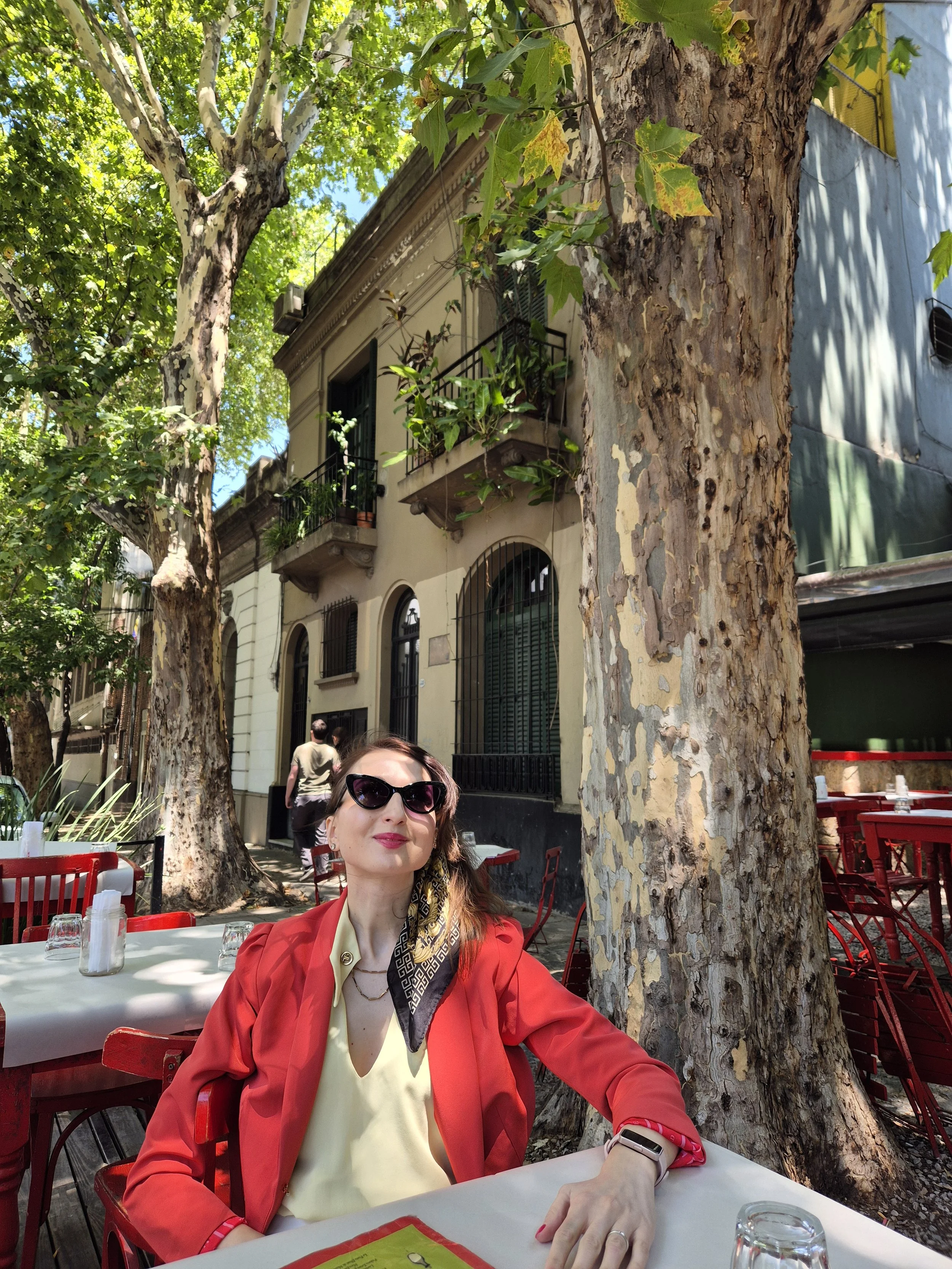
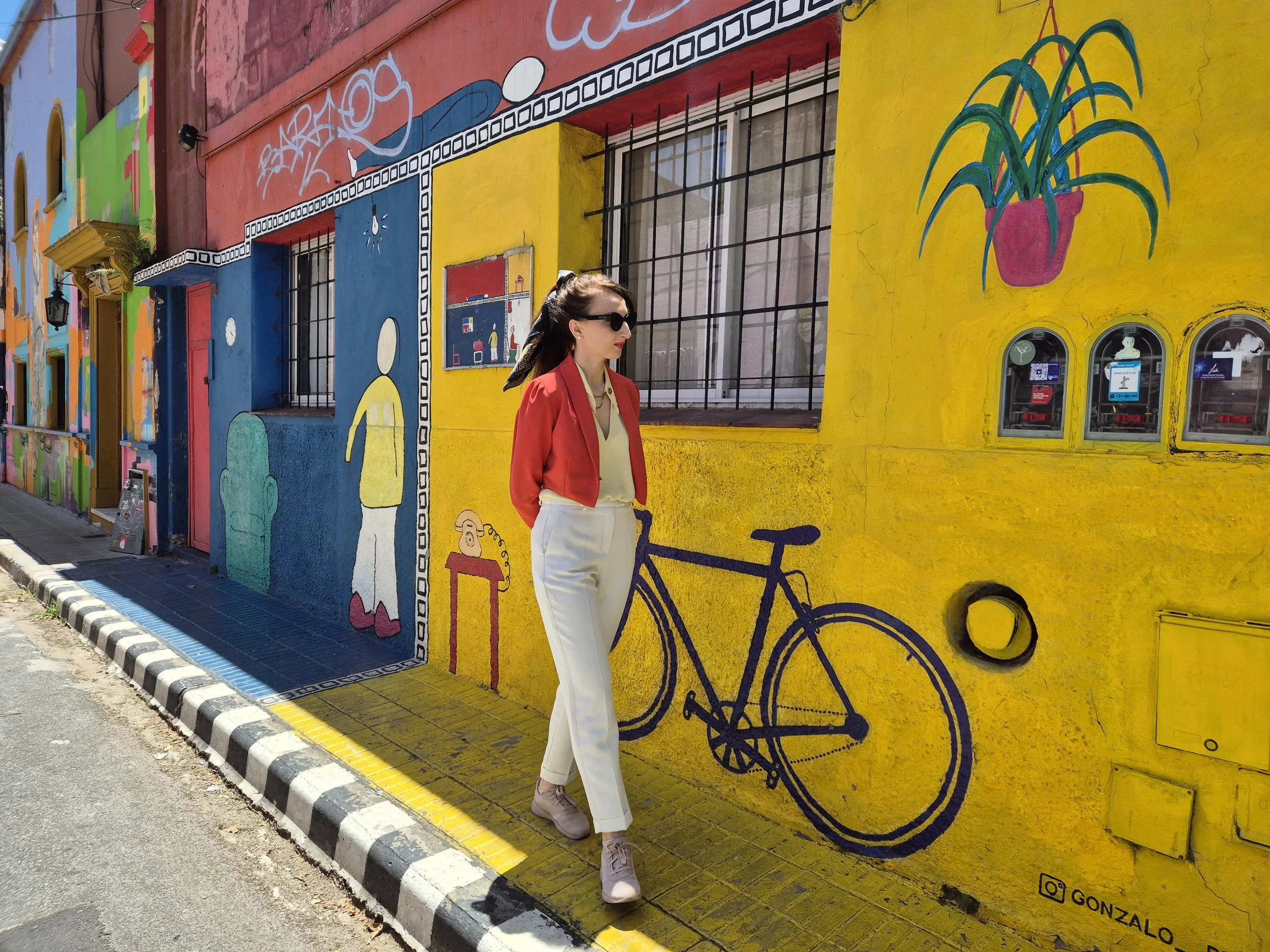
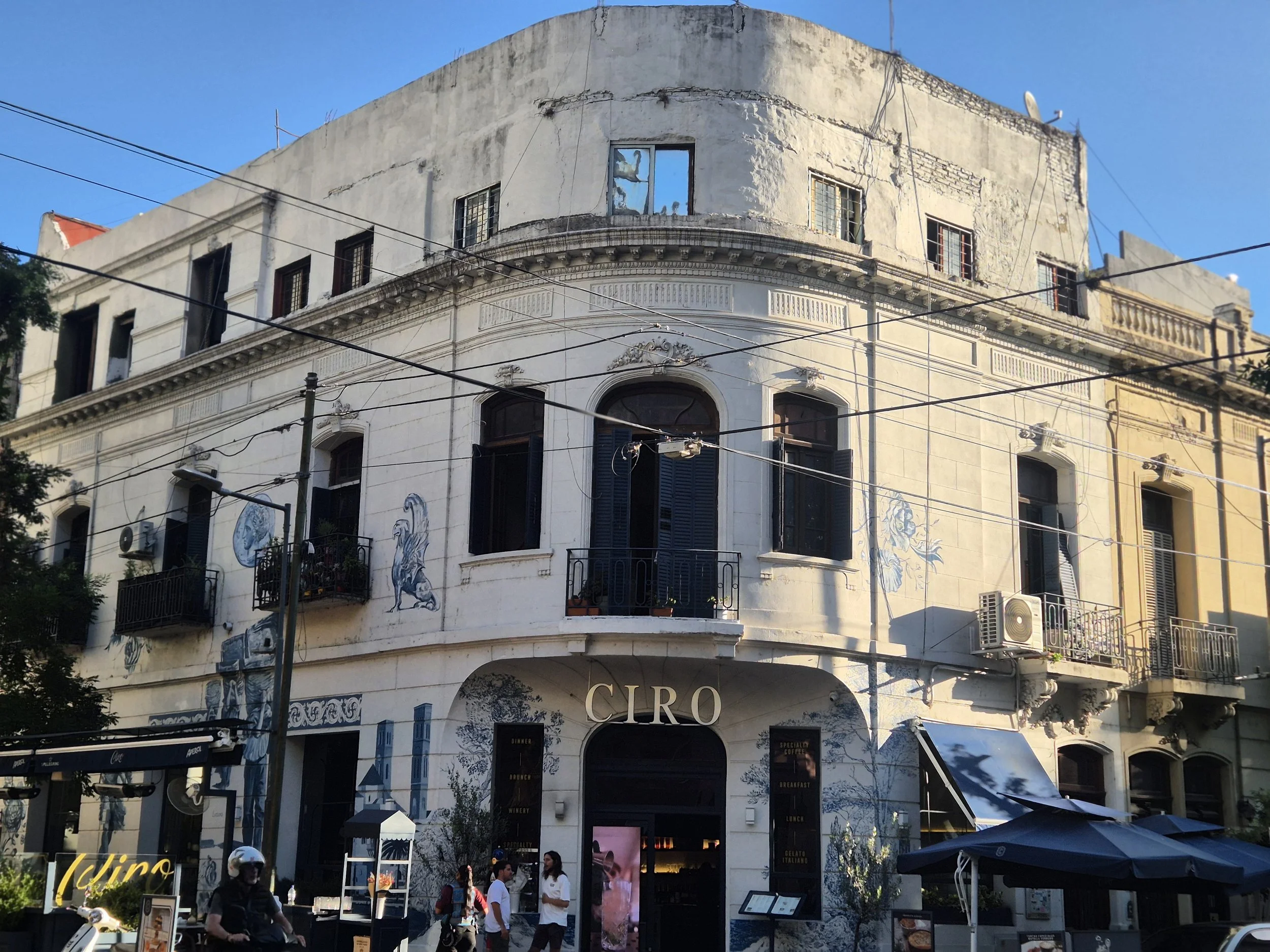
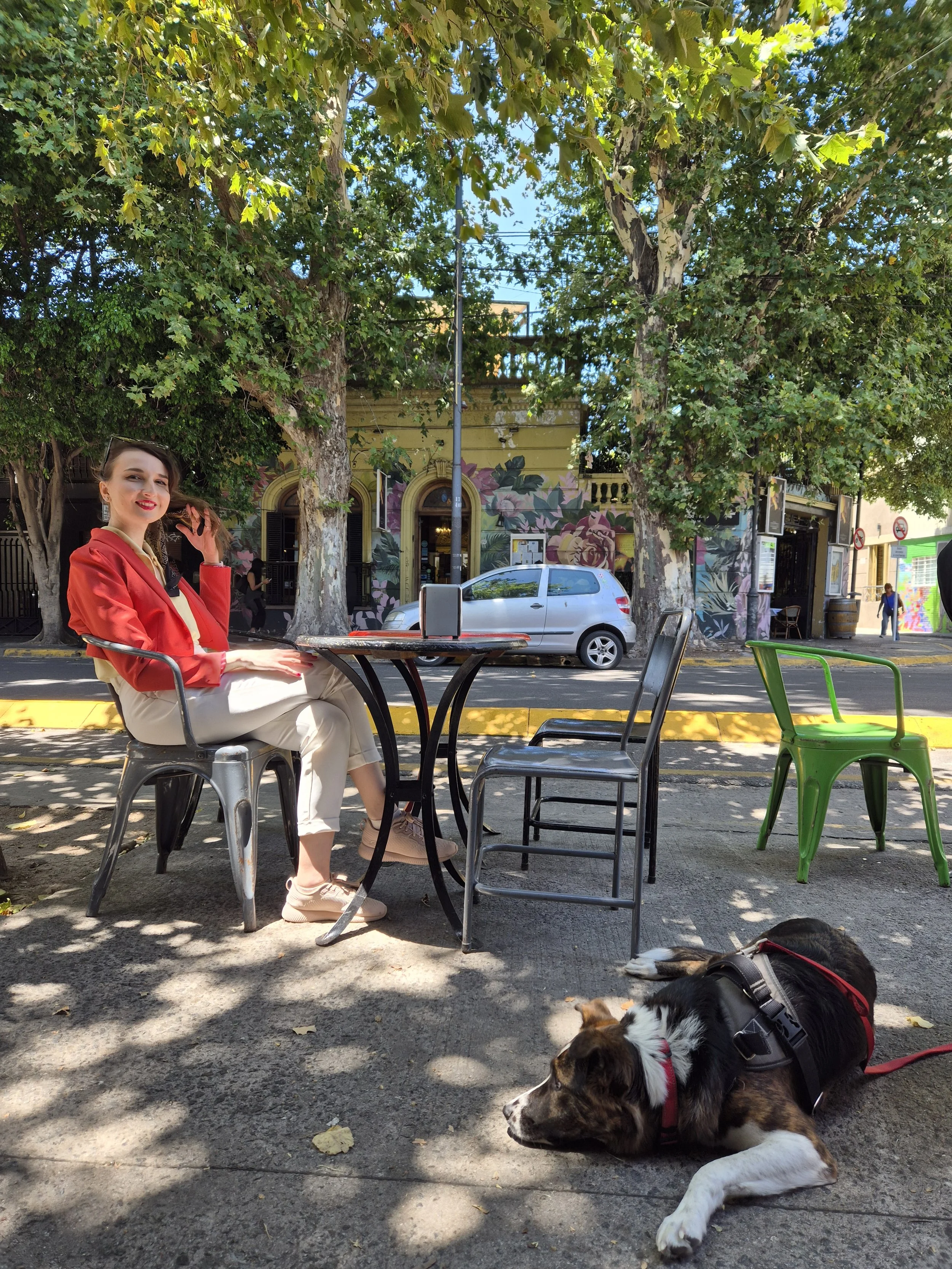
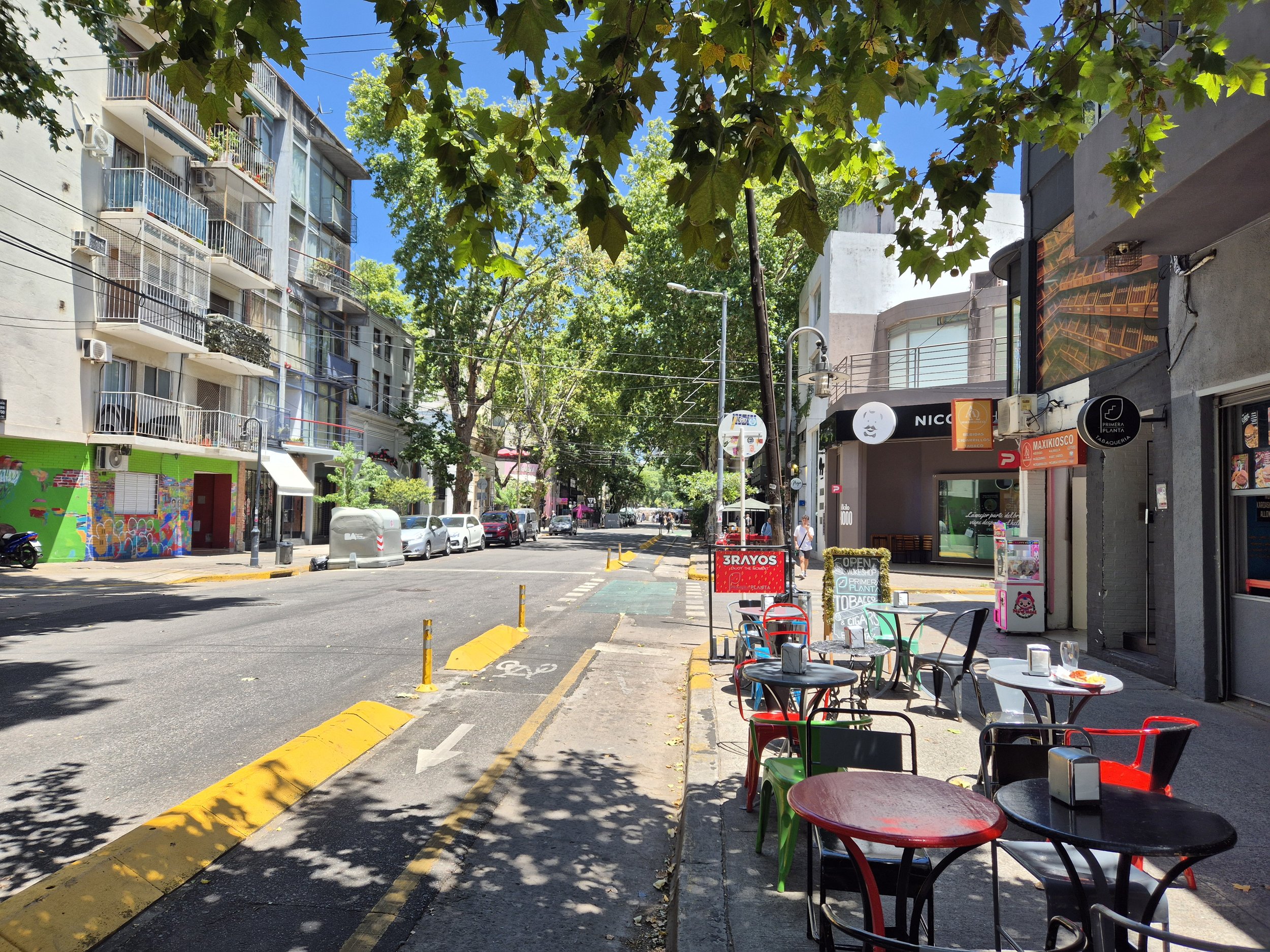
It's summer in Buenos Aires and we are stationed in Palermo Soho, the bohemian part of the city. This leafy neighborhood, with Parisian-like little cafés and their sidewalk seating, was inviting me to linger on its streets, on my first languorous afternoon in the city, admiring its exquisite buildings, street art and gorgeous boulevards.
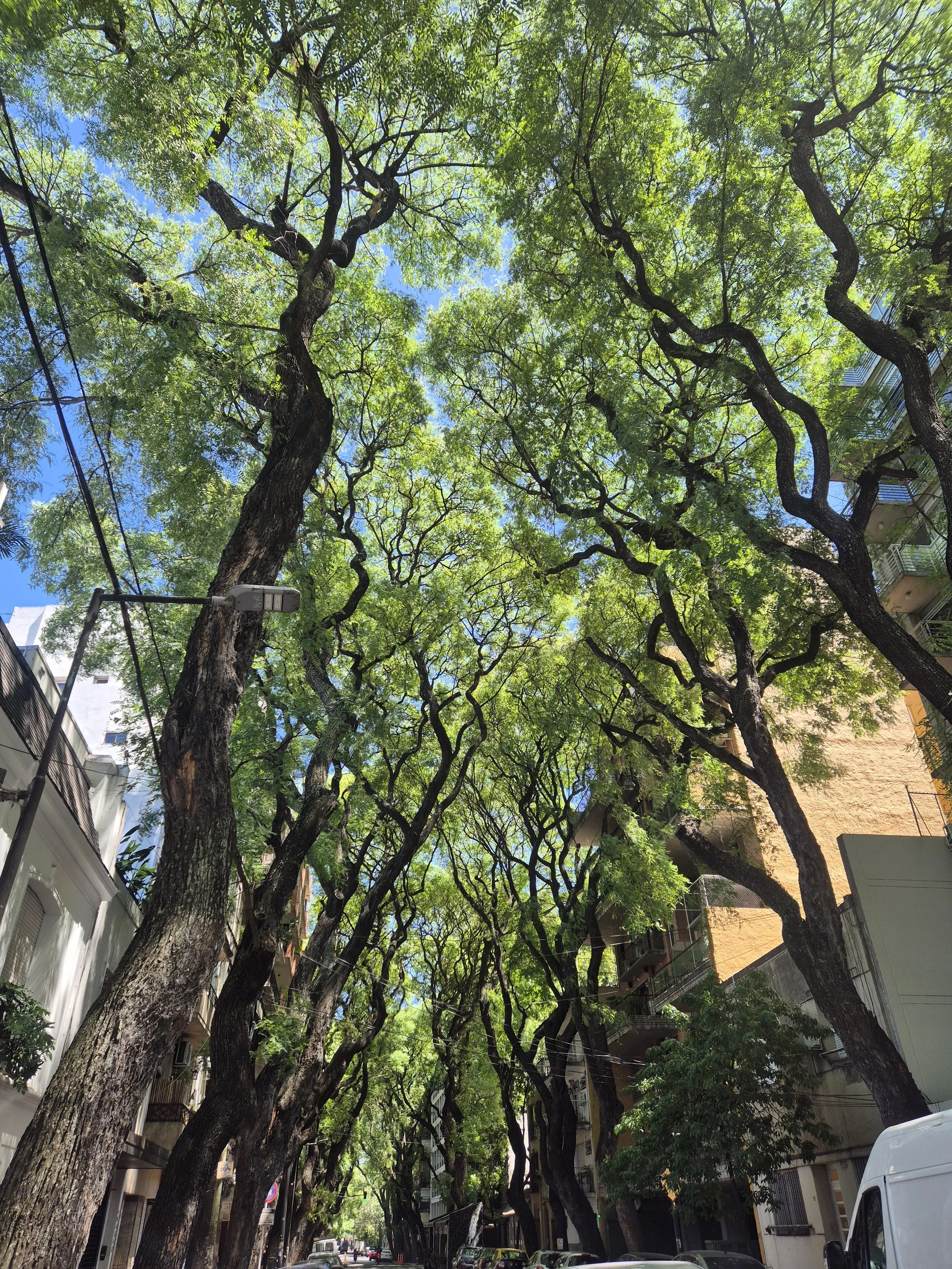
What makes the Palermo Soho boulevards so enthralling?
They are flanked by the tallest and most gorgeous plane trees (Platanus). The creamy white trunk of these trees that peels away in irregular patches and their green leaves swaying in the summer breeze would be my first impression of Buenos Aires and a lasting one.
We even had our first Argentine steak, a juicy bife de chorizo, accompanied by the sweetest dessert on the planet, dulce de leche, in a décor made of plane trees. They were so majestic, that they were forming some kind of roof over our heads.
These ubiquitous trees were even in front of our accommodation at Ayres Apartments Palermo and I could see their branches swaying and casting shadows through the big windows of our apartment. We opted for a couple of late dinners on our cozy balcony just to be able to admire them, taking in the Buenos Aires atmosphere, while washing down warm empanadas with the Patagonia beer.
I had my fair share of medialunas and lattes in the Palermo Soho’s cafés, always spoilt for choice. There's the Moshu Treehouse, sleek, but pretty packed; there’s also a cozy spot just around the corner from Don Julio’s legendary parrilla. But my personal favorite? A delightful little gem called Pochi Café—an unexpected find serving what I swear are the best medialunas in all of Buenos Aires.
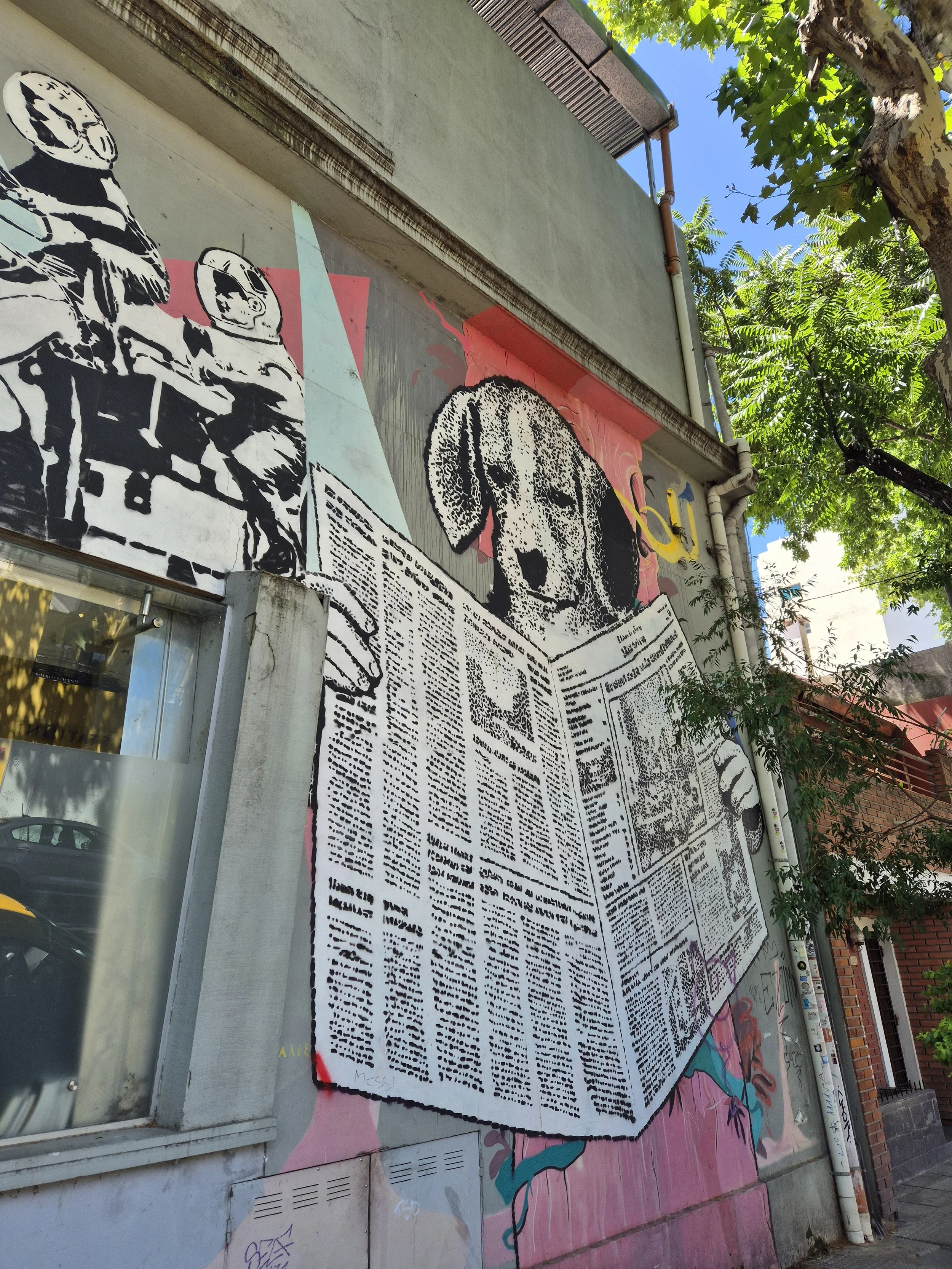
We are close to Plaza Serrano, where there's a weekend market of bric-a-brac. No handmade ornament catches my eye, but the buzz is nice, so is the layout of this square. Its adjacent streets are blooming with colorful street art, yet the entire Palermo neighborhood is adorned with striking and immersive street art.
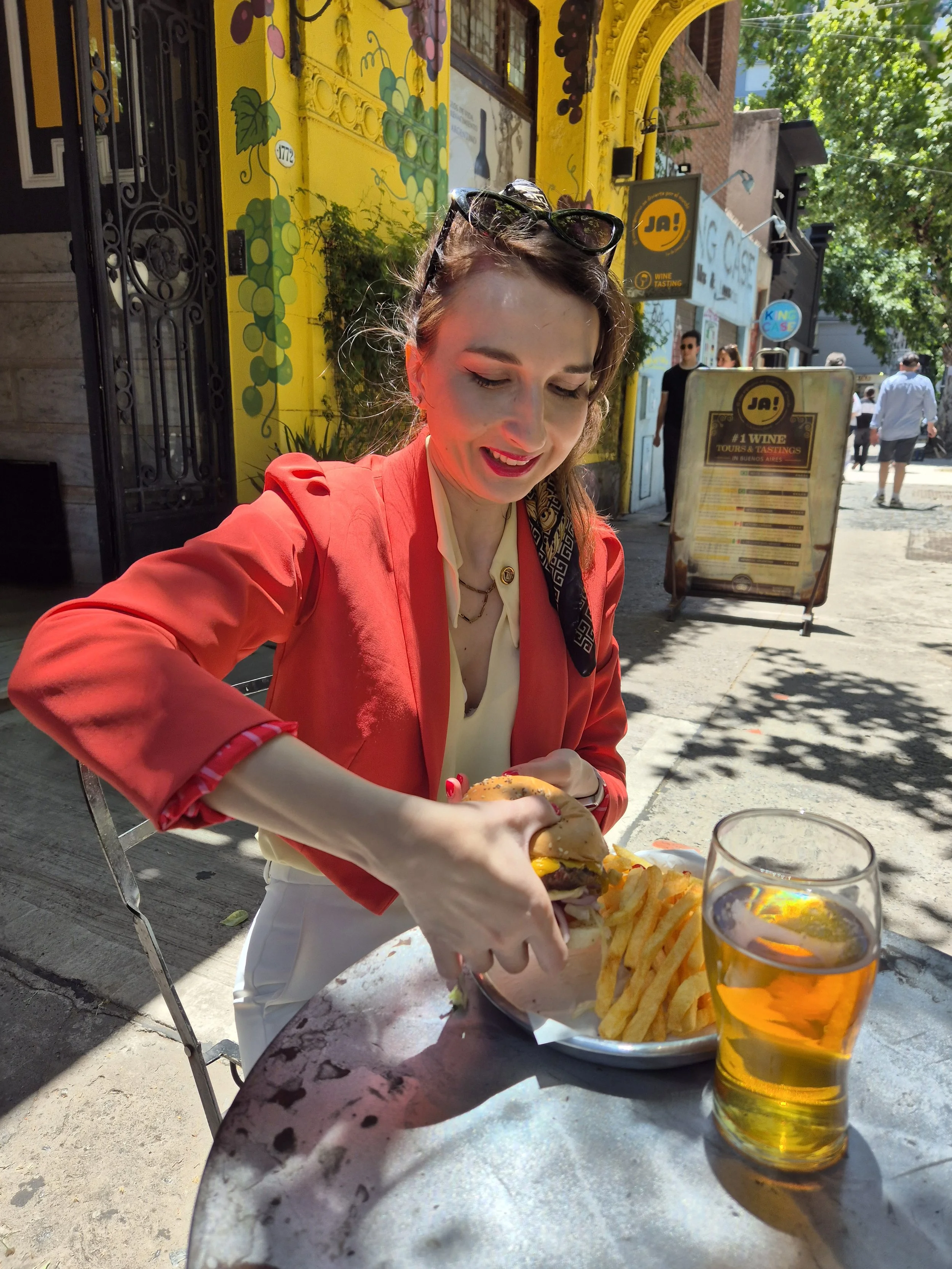
Right next to Plaza Serrano, lies the star of our culinary experience in Buenos Aires. You may wonder what kind of famed steakhouse is this? But in fact, it is a burger spot, with the most delicious, juicy and addictive burgers, called Burger Joint. During our 3-weeks stint in Buenos Aires, we ate more than 10 times at this place, always amazed at the quality and juiciness of the meat. Each time, after this indulgent meal, we would set course for a dulce de leche treat, the national desert of Argentina. We best experienced this sweet delight in its frozen form, at El Preferido. Hard to top their perfectly rich and creamy dulce de leche ice cream, and believe me, we have tried.
But this article is not about cafés or eating spots - it’s about a state of being, a mood that Buenos Aires bears in its streets, “a pipí cucú” manner of experiencing a city so rich and so alluring.
Our Argentine nights were devoted fully to tango dancing and I experienced such immersive and otherworldly tango with the Argentine masters. I might as well raise an ode to La Viruta, one of Buenos Aires most iconic tango halls, located in the heart of Palermo.
It is hard to put into words the experience of immersing yourself into tango classes and, then, staying in for a late-night social, especially one featuring a live orchestra. Each partner I encountered on the dance floor proved to be Argentine and each dance a unique and carefully mastered piece of art that transported me to another dimension. Such flow did I experience in first night at La Viruta that I still get goosebumps when I think about my dancing experience.
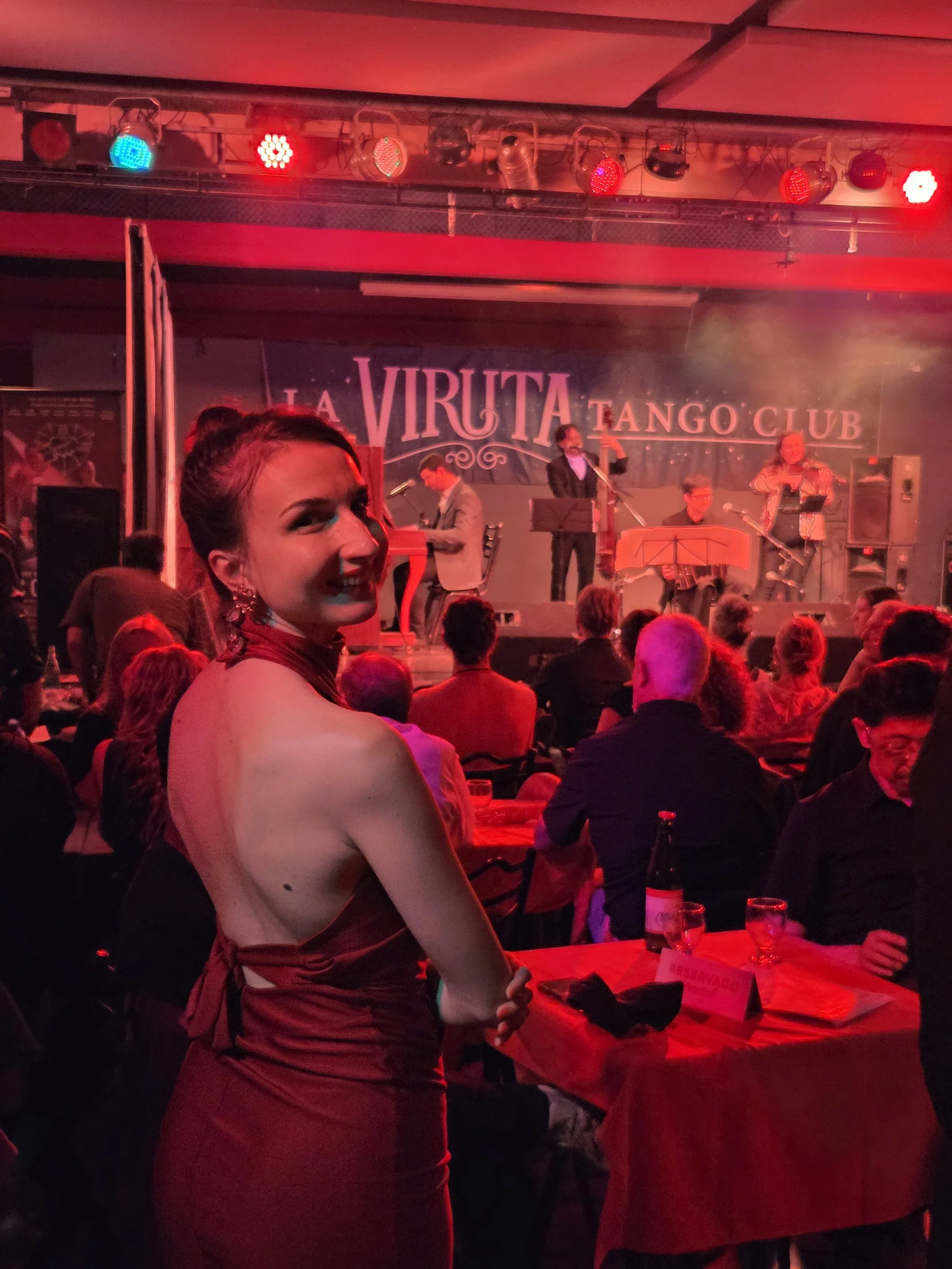
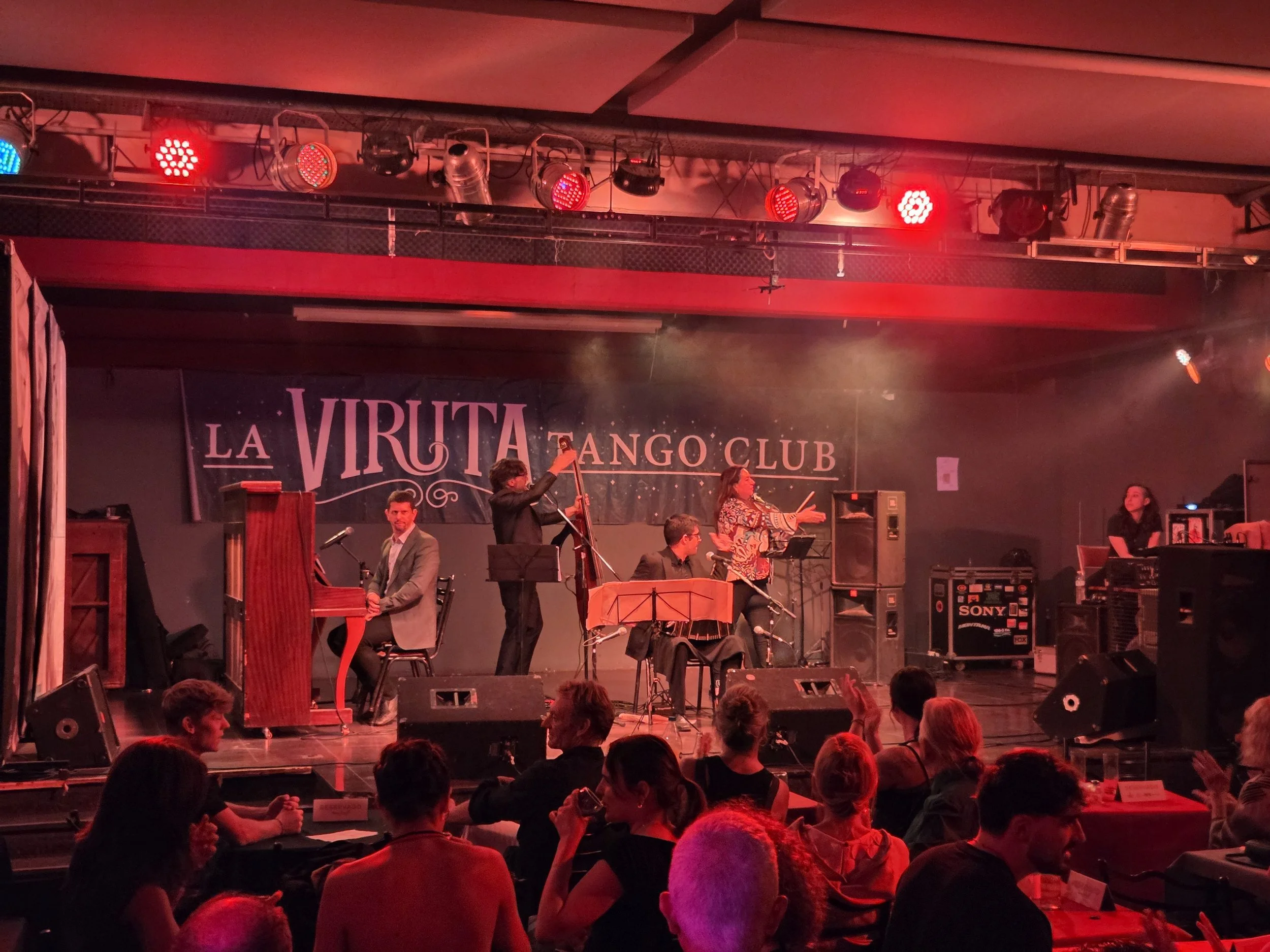
One night at La Viruta, after a couple of tandas with the familiar orchestral sounds drifting through the air, the atmosphere suddenly shifted and my Argentine partner leaned in and asked: ¿Sabes bailar electrónico?
I assumed he meant some kind of house music and felt genuinely puzzled that such sounds would invade a tango hall. I answered, “No.”
Then the music began, with the most alluring and hypnotic tango notes, almost lifting me from the ground. In that moment, on a warm Buenos Aires night, I experienced something close to an out-of-body sensation: bailando el tango electrónico. Discovering a new dance style in such an unexpected way was intoxicating, unique, and utterly unforgettable.
After such late milonga nights, only late afternoons could follow.
Lazy afternoons in Buenos Aires can be spent roaming their parks. I was lucky enough to have my accommodation near some of the most beautiful green spaces in Argentina's capital.
There are the Carlos Thays botanical gardens in Palermo Soho, where large leafy trees frame its entrance, while graceful statues are scattered throughout the park, lending the place an air of quiet nobility and charm.
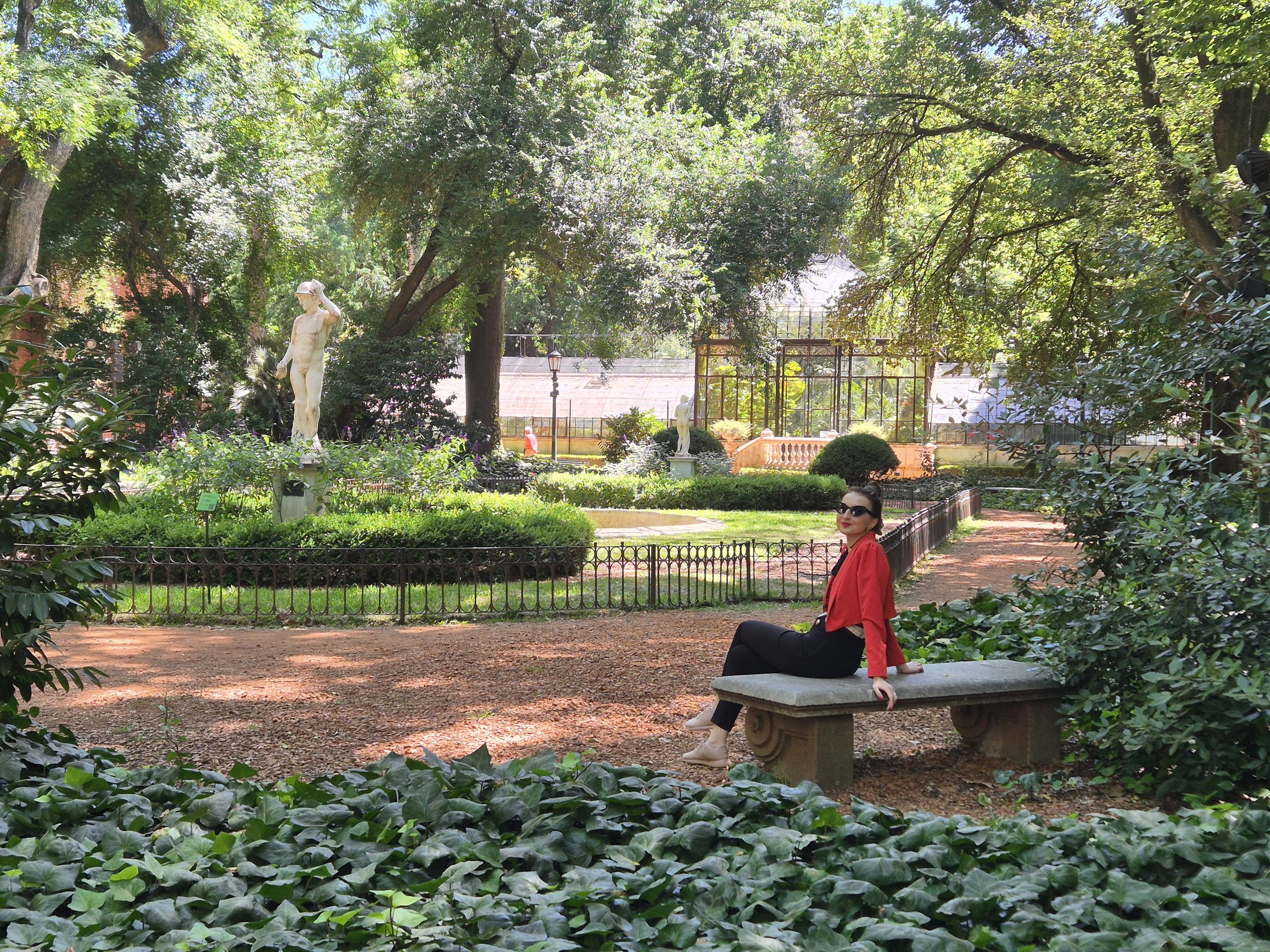
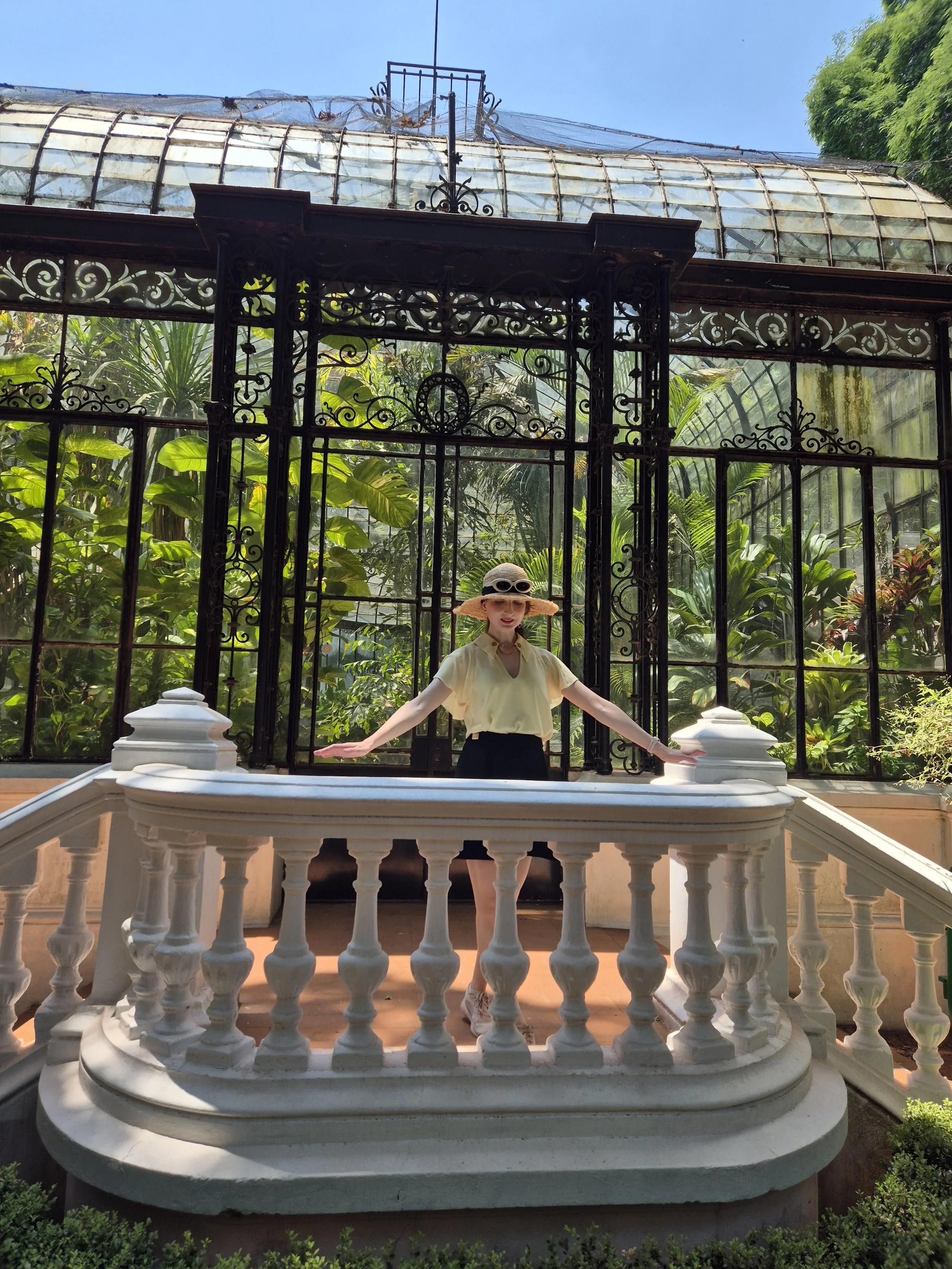
Right next to the Botanical Gardens lies the Ecoparque. As the name suggests, it is a beautiful green space hosting all kinds of beautiful animals: capybaras, Patagonian deer, flamingos, even giraffes.
It feels like a zoo reimagined, with a strong focus on sustainability and animal well-being. It can get pretty crowded on weekends.
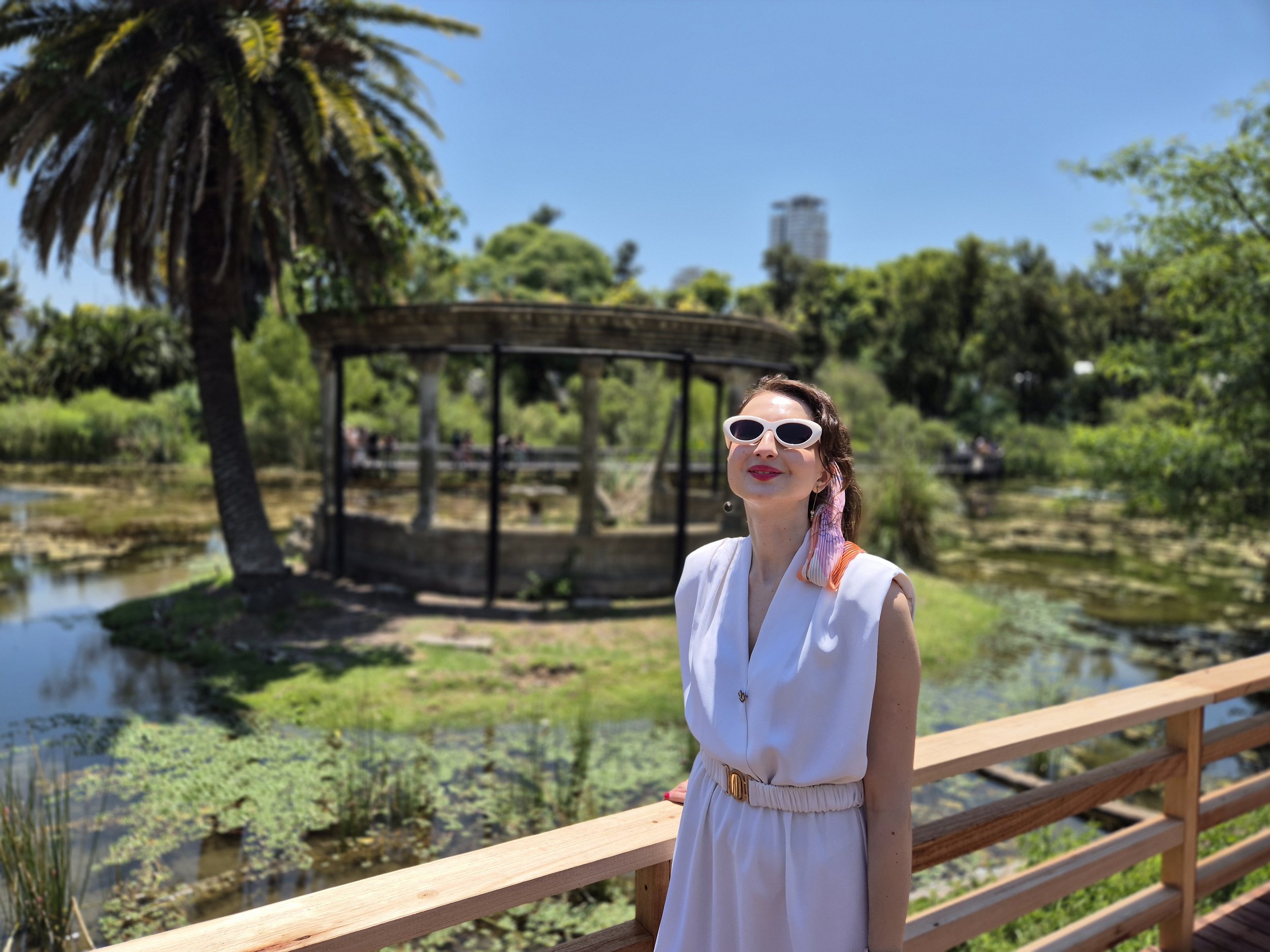
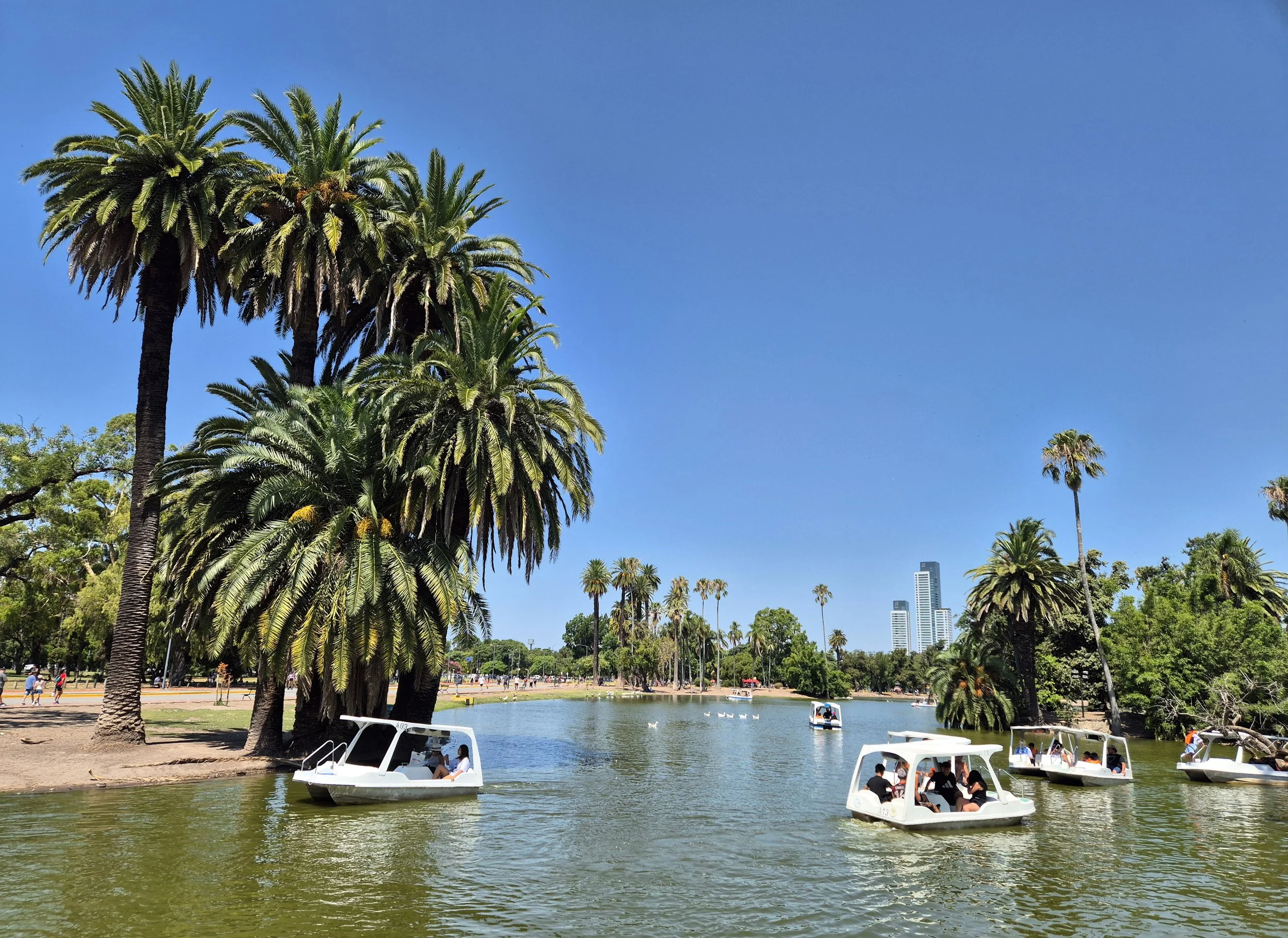
A short distance from the Ecoparque lies the Rosendal, another immense green space, this time flower-oriented. There weren't that many roses in our January incursion, but there were other delights available, like arcades beneath which one could wonder, partially shaded from the sun, while boats were passing by in the nearby lake, imposing palm trees adorning its shores.
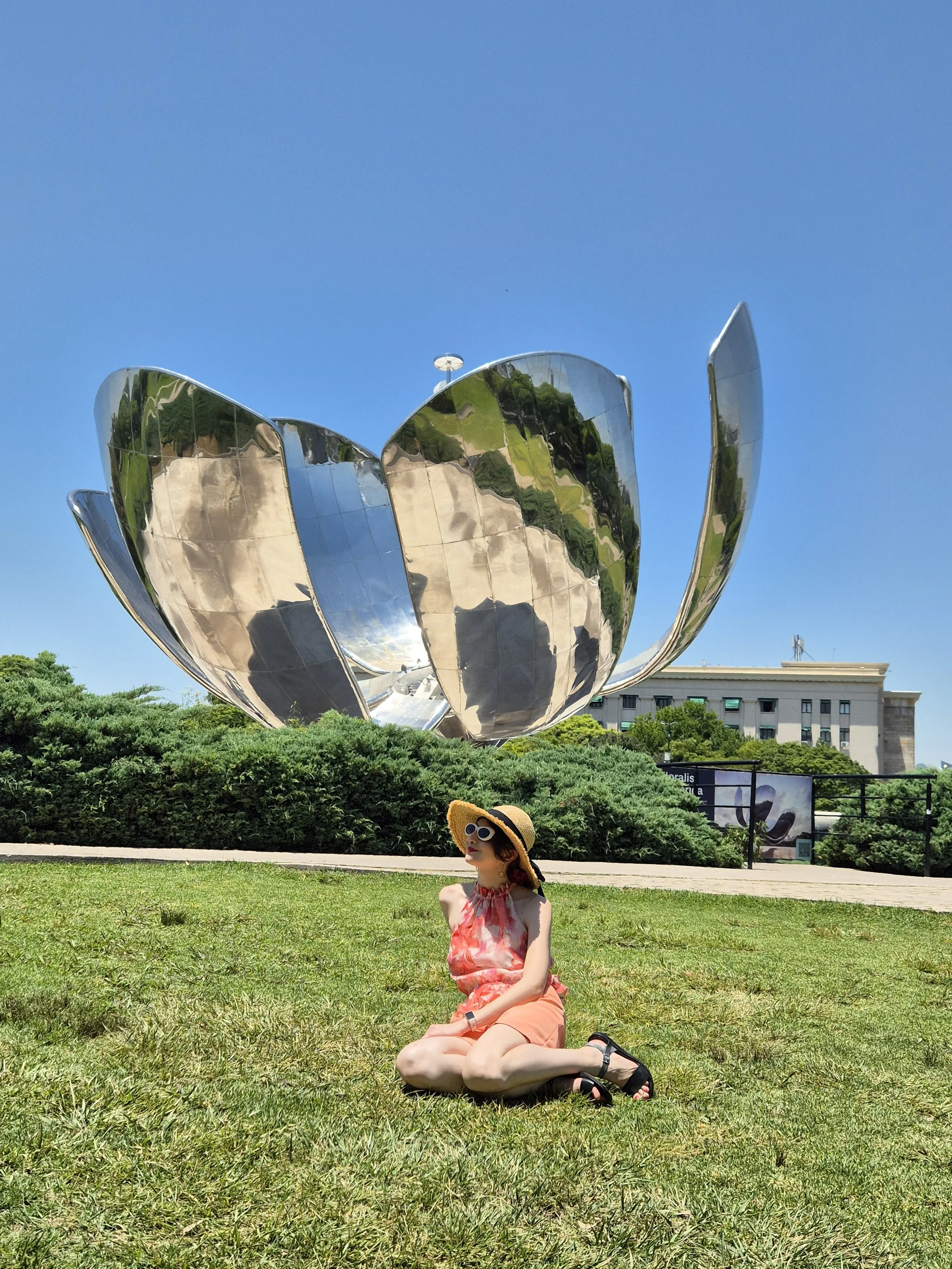
Another green space, this time not shaded by palm trees, but featuring one major decoration: Floralis Generica, in the Recoleta neighbourhood.
A gigantic metal flower, with nothing else around, an homage paid to all flowers. Next to this green space, the area gets interesting with the Faculdad de Derecho, traces of jacaranda trees still visible near the Recoleta Cultural Center. Be mindful that the cultural center is closed on a Monday, as are many other things in Buenos Aires on this day.
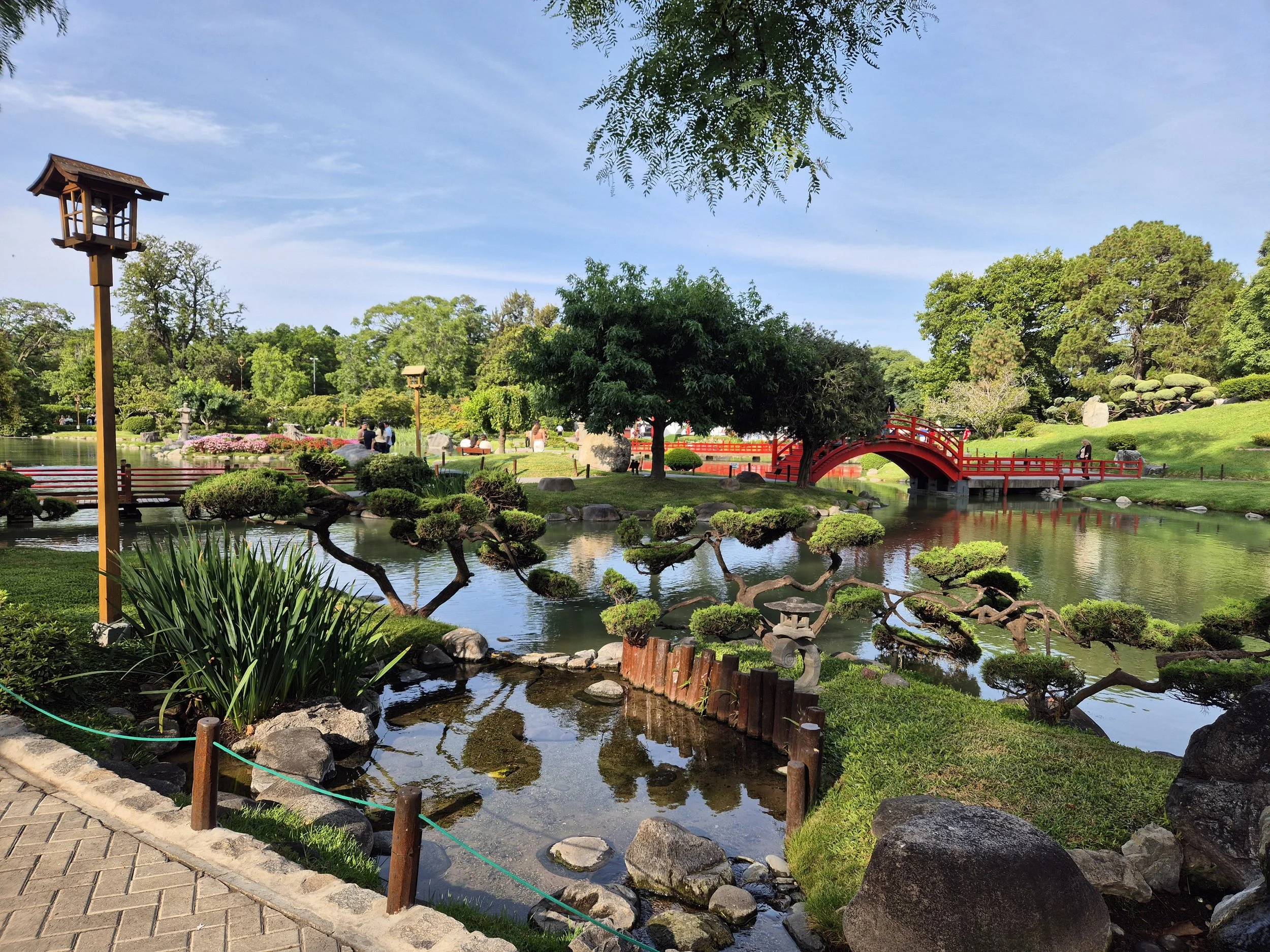
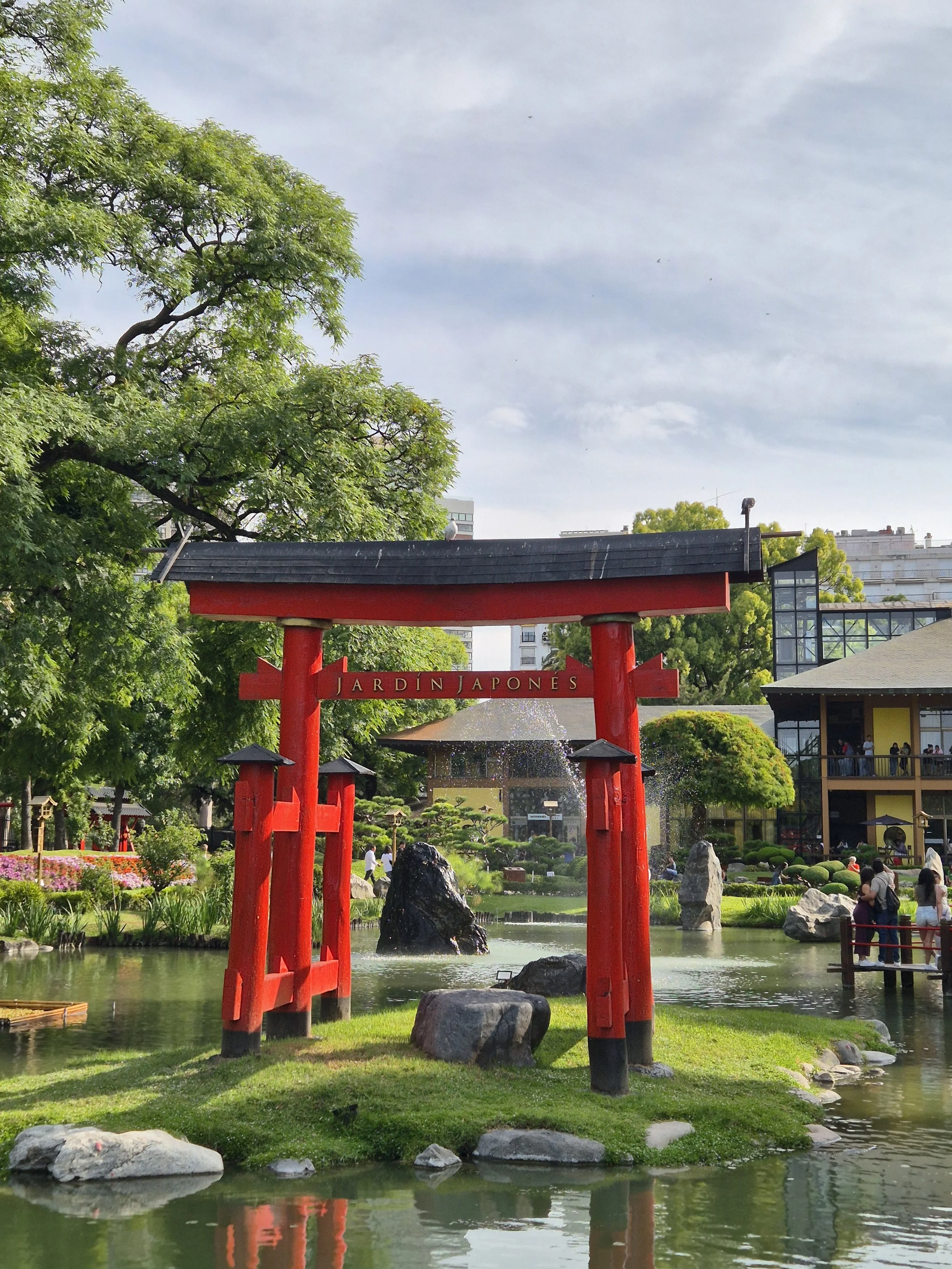
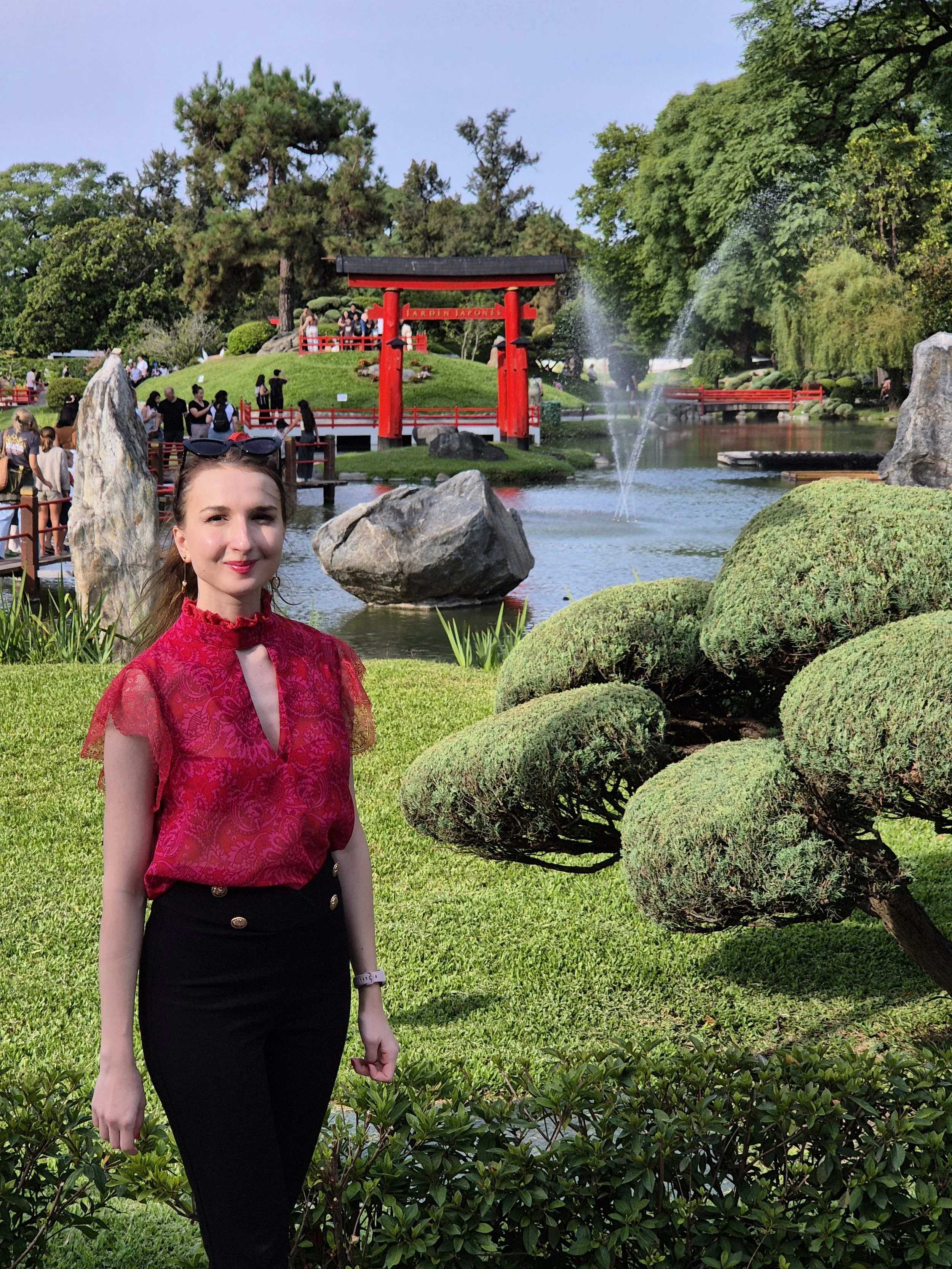
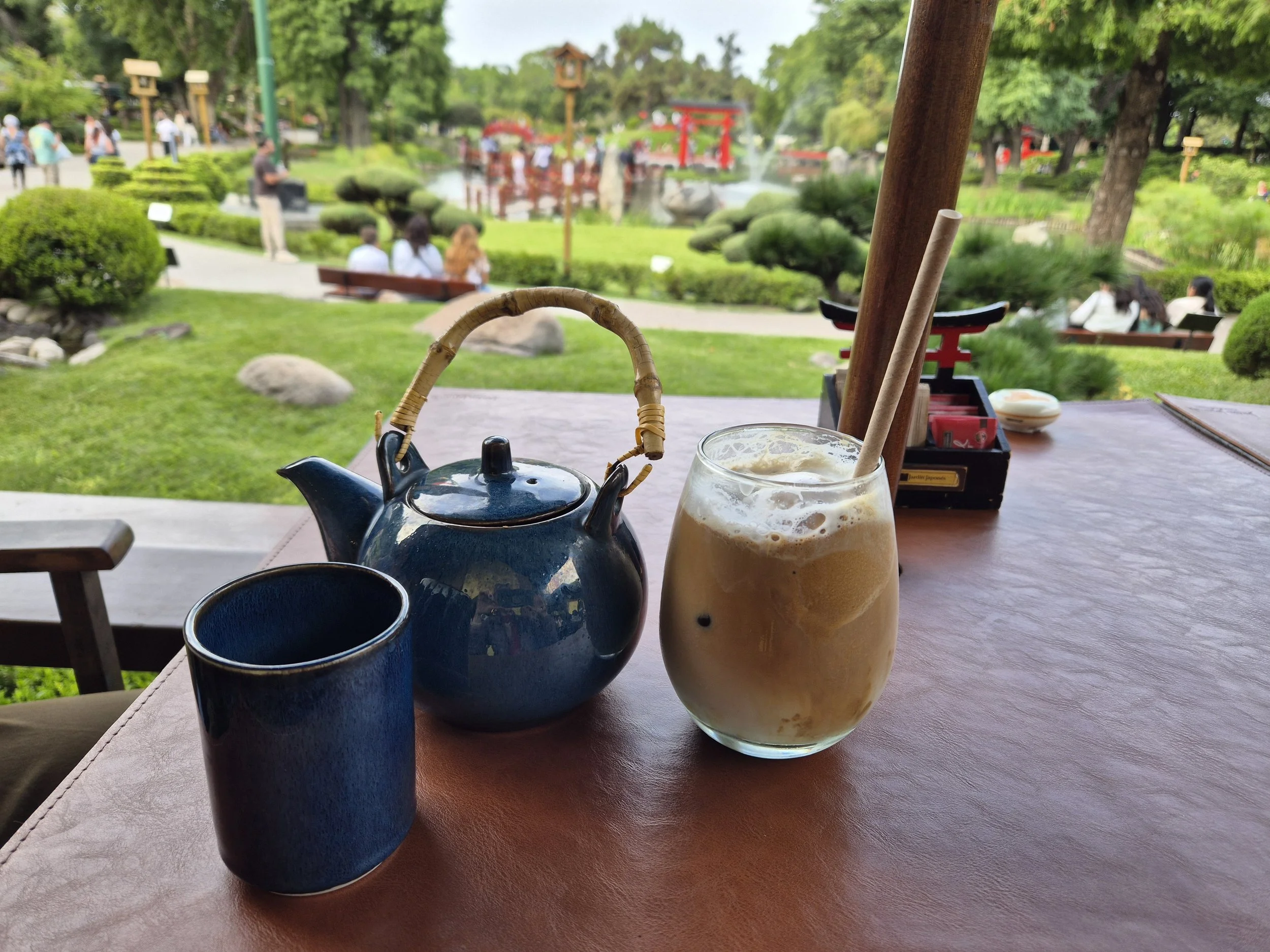
There is another green oasis in Palermo that tops all the others, Jardín Japonés. Although highly in the demand of tourists, this spot features elegant bridges, serene koi ponds, bonsai trees and inviting teahouses, making it the largest Japanese garden outside Japan. I experienced it at sunset, the warm light pairing perfectly with the elegant surroundings and my serving of an iced dulce de leche coffee.
One day in Buenos Aires, we set out to check off many of the city’s legendary cafés, iconic bars, and famous landmarks—though mostly from the outside, catching only fleeting glimpses of their ornate interiors. The reason was simple: the crowds were overwhelming. Café Tortoni was packed to the brim, tickets to the mirador atop Palacio Barolo were already sold out, and Confitería La Ideal was impossibly crowded.
Undeterred, we decided to return to the microcentro for a guided tour of Teatro Colón, which was a very inspired idea, the guide having revealed to us so many acoustic and design secrets of this majestic opera house.
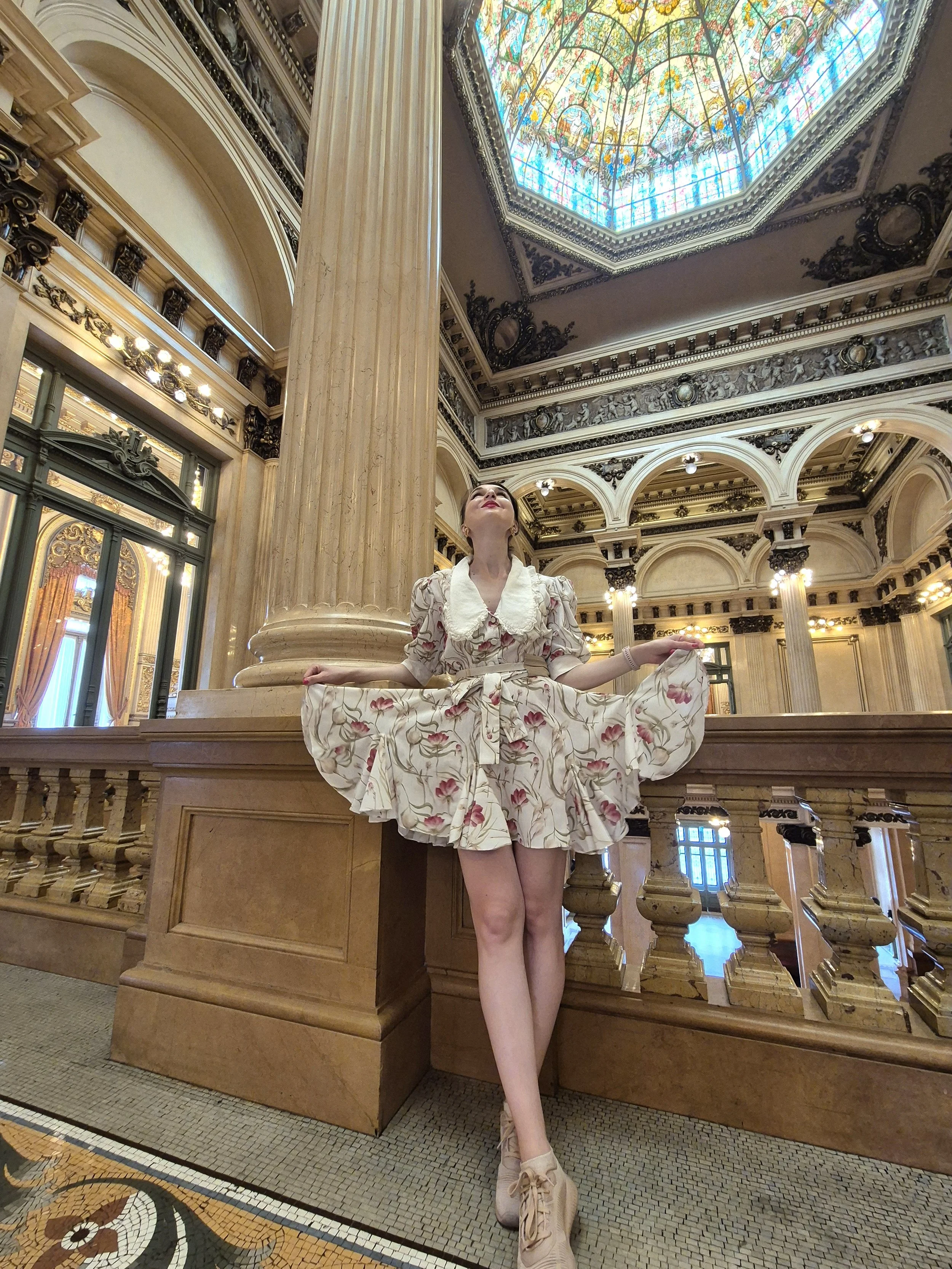
Teatro Colon
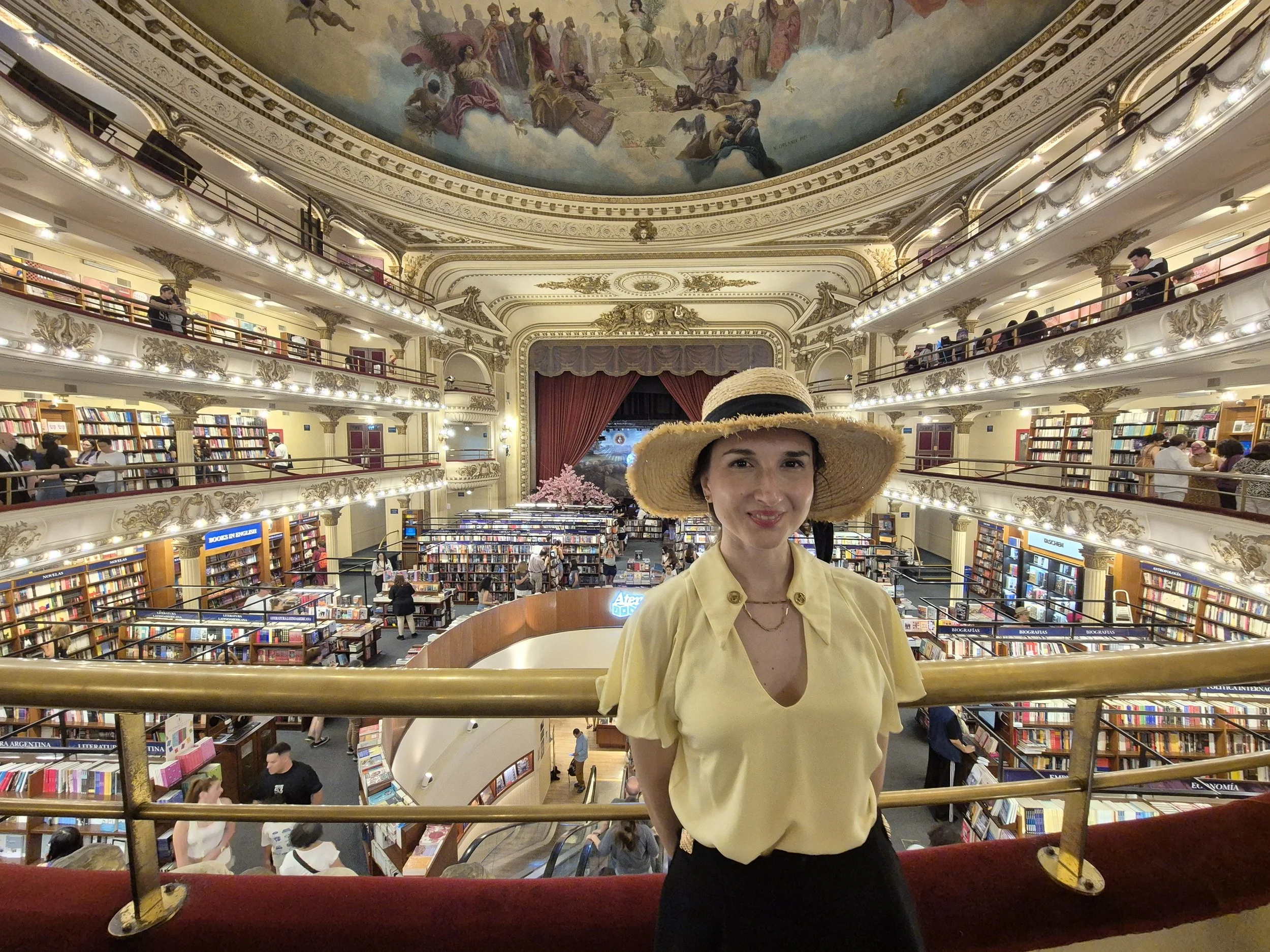
We did manage, however, to linger inside the magnificent El Ateneo Grand Splendid—a jewel of a bookstore nestled in the heart of Buenos Aires. Despite the steady stream of visitors and a rather limited selection of English-language books, the experience was still enchanting, and we left with a sense of wonder and a catchy Japanese manga book as souvenir.
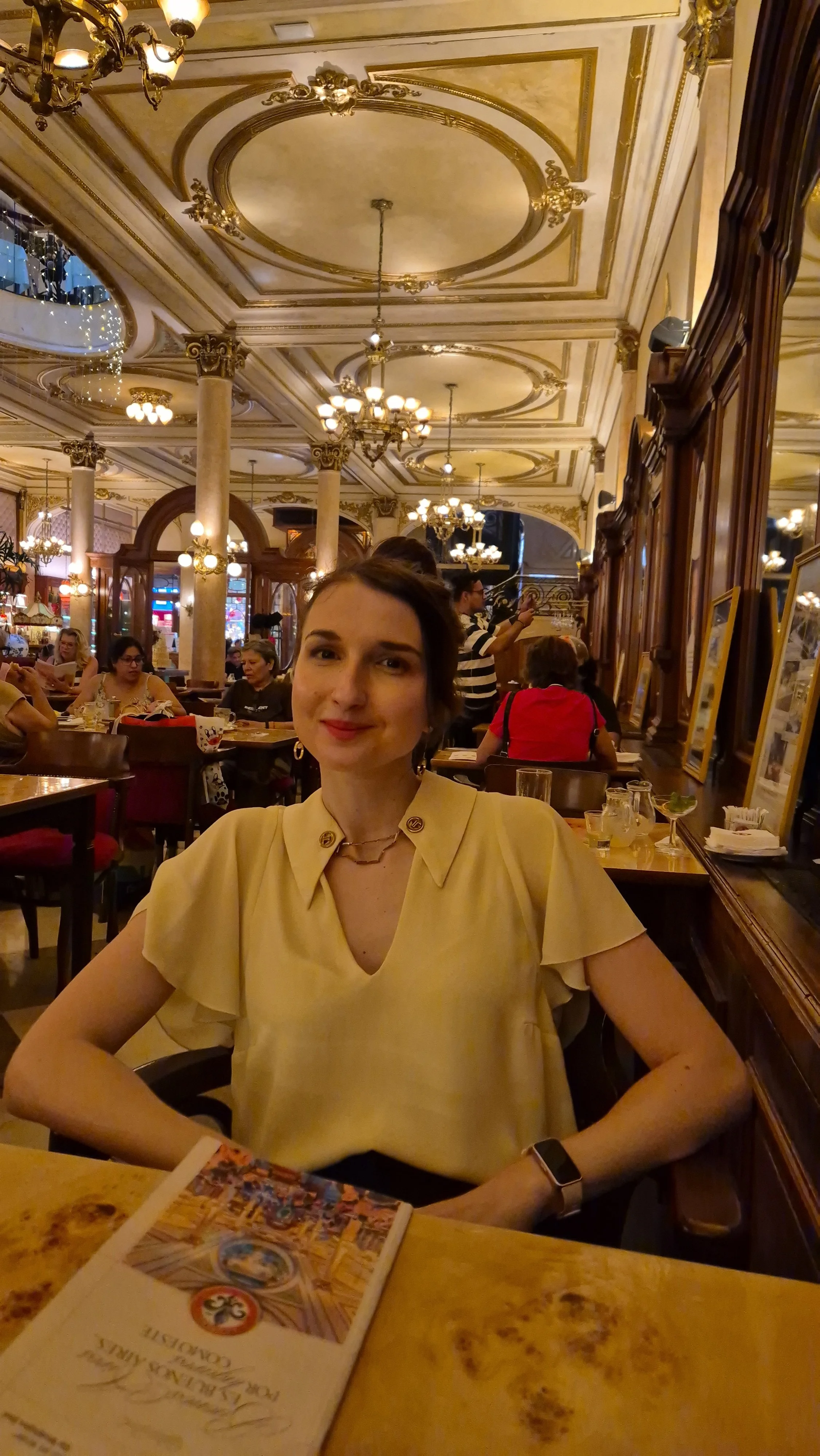
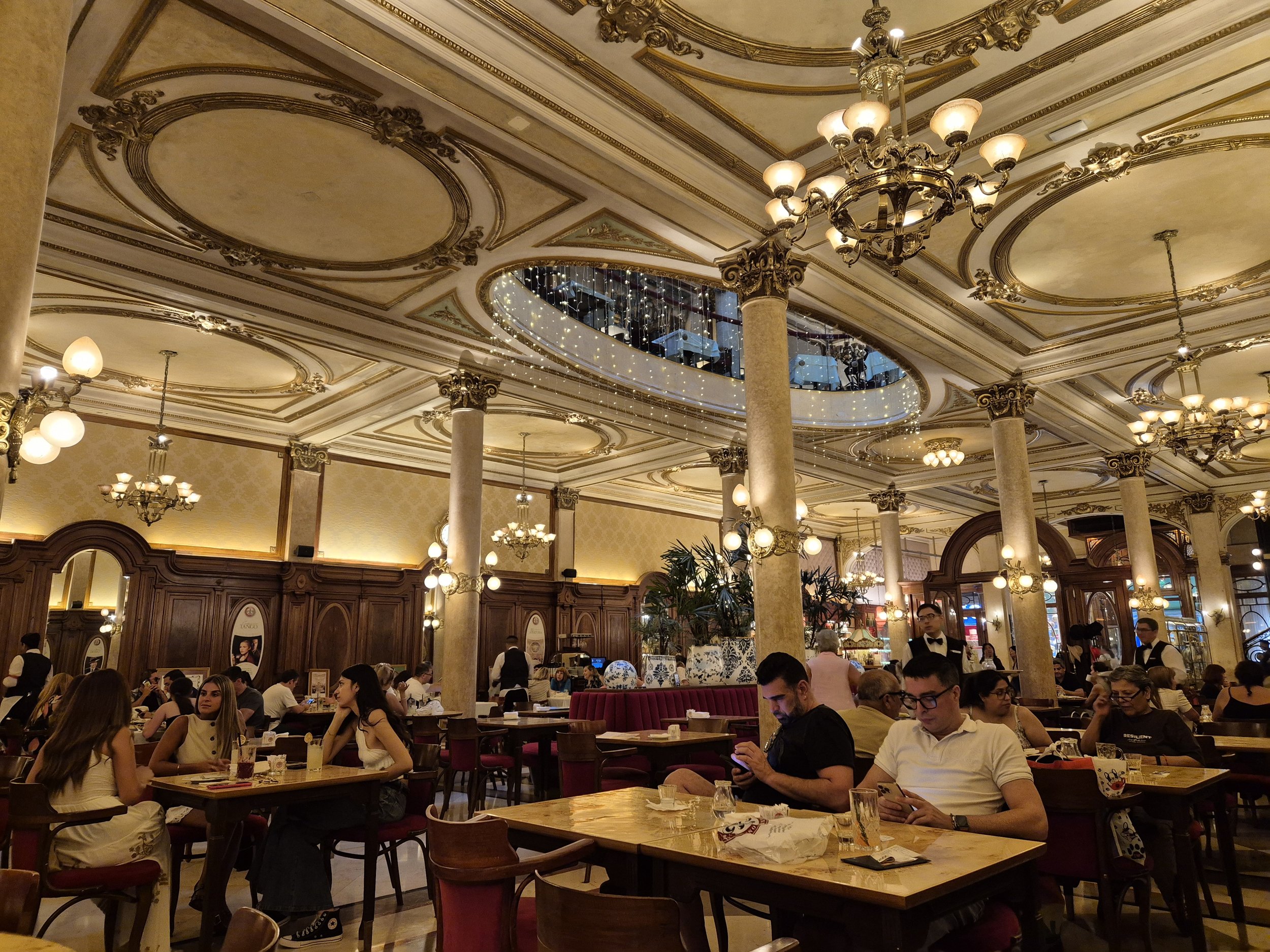
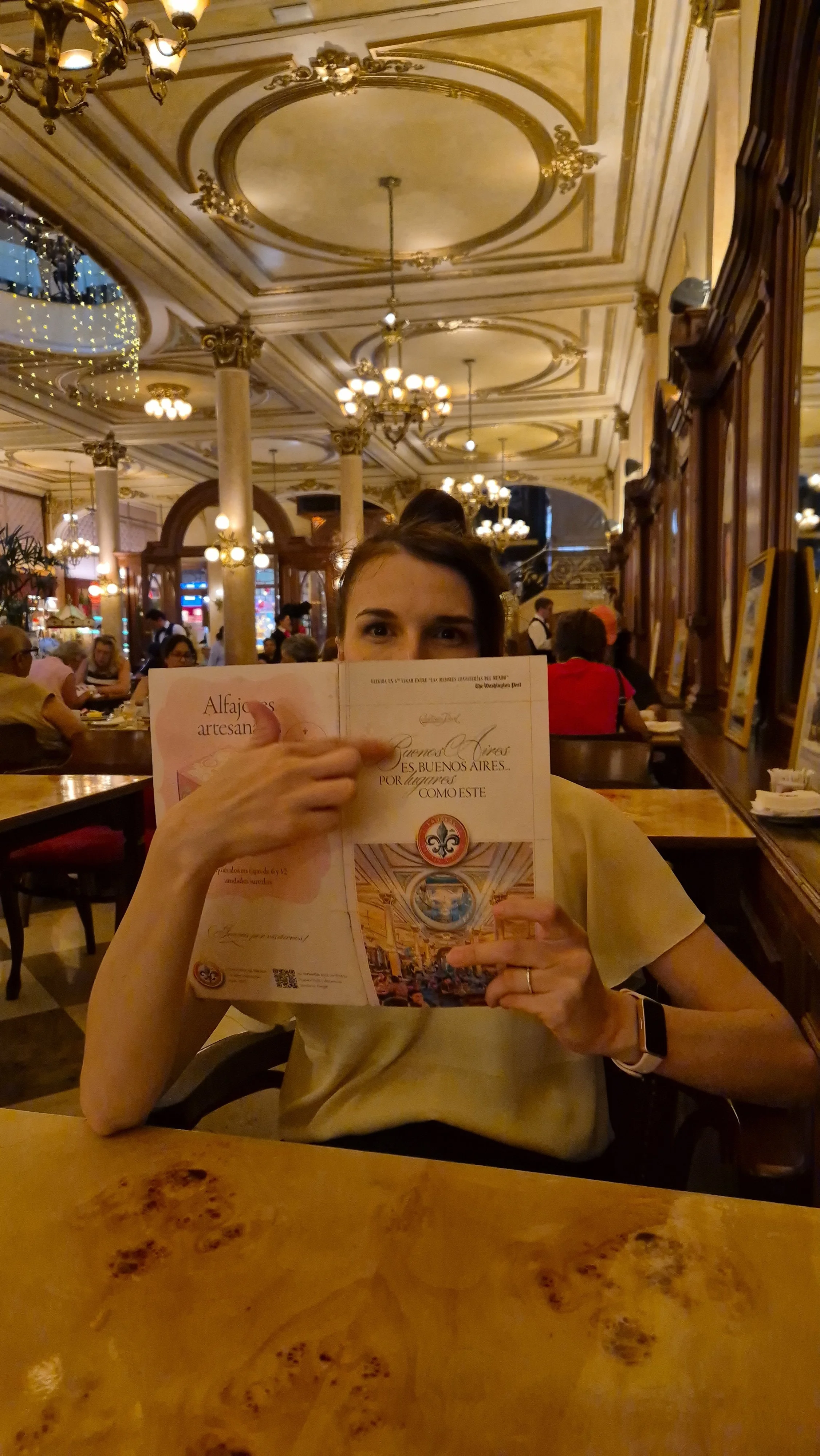
Is having lunch worth it in one of Buenos Aires bares notables? It depends on whether one relishes Art Nouveau embellishments and long gone Belle Époque vibes.
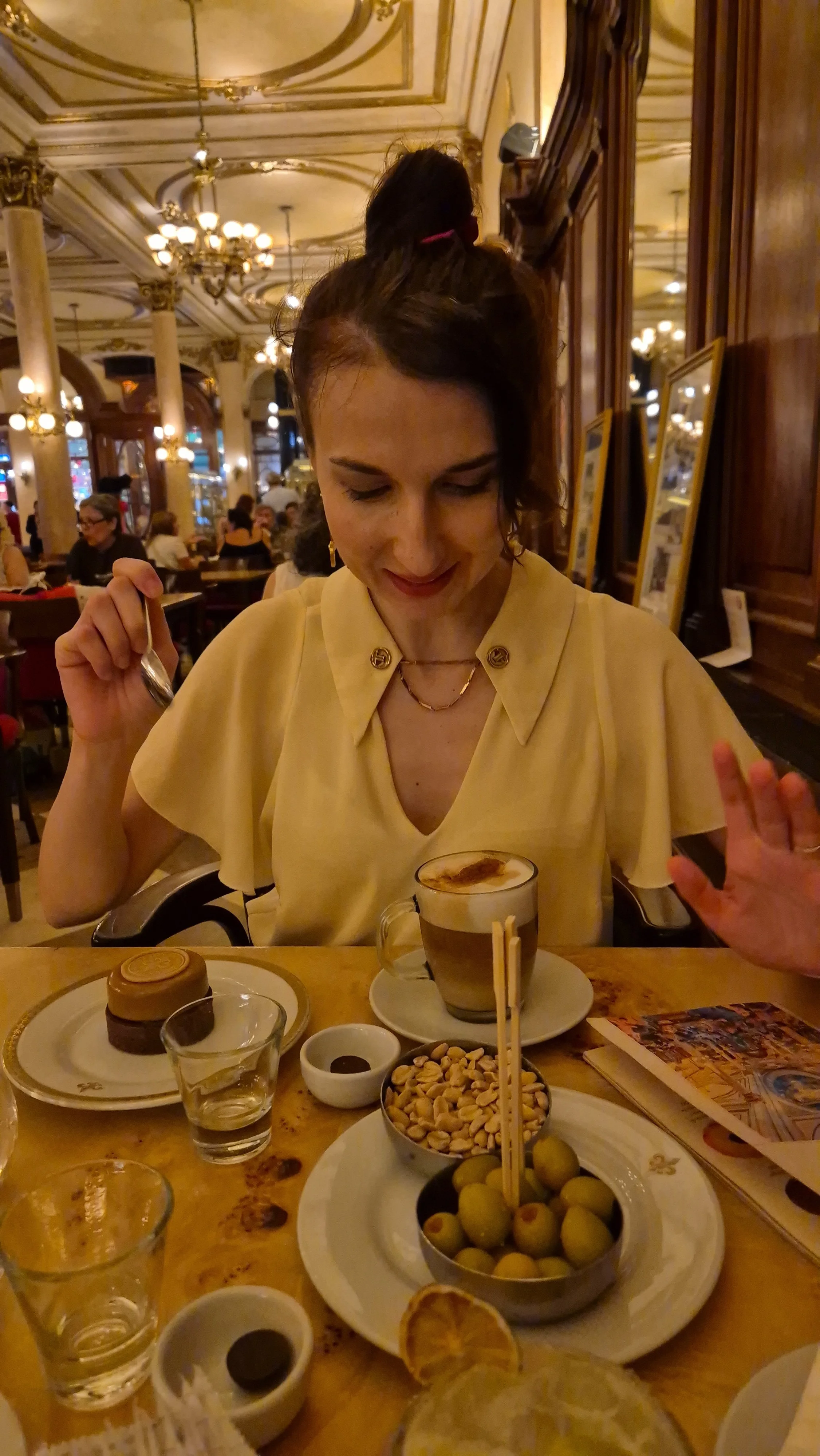
Confiteria "La Ideal" was the only bar notable which I paid a visit to, to savor some ridiculously prices desserts and take in the Belle Époque vibes.
The interior felt like stepping back in time, in the golden era of tango, its walls adorned with photographs of tango dancers and documents attesting important milestone, like the inauguration of the famous Buenos Aires symbol: El Obelisco. The service was impeccable and the ceiling worth marveling at. I would certainly recommend an incursion to such a historic place.
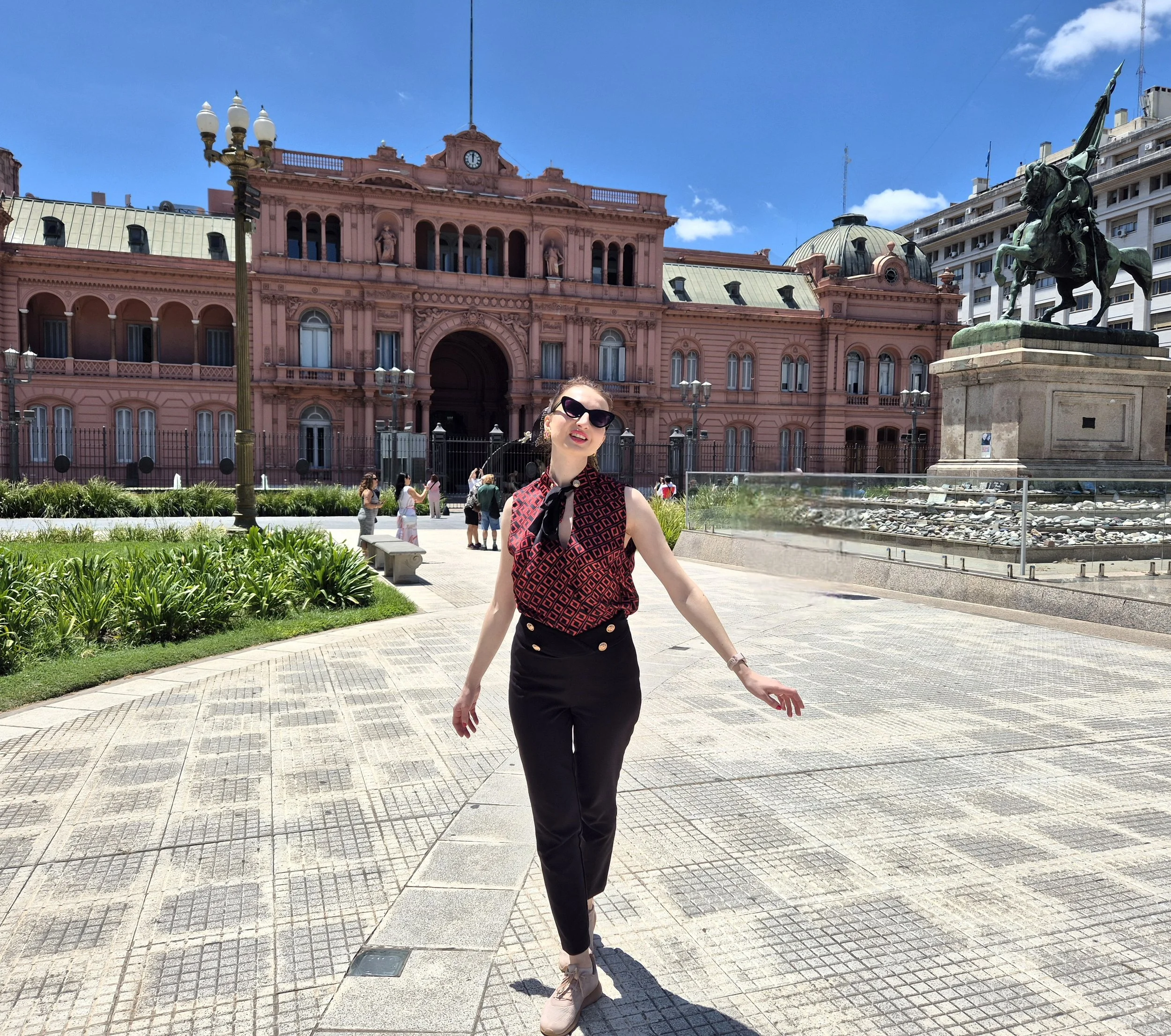
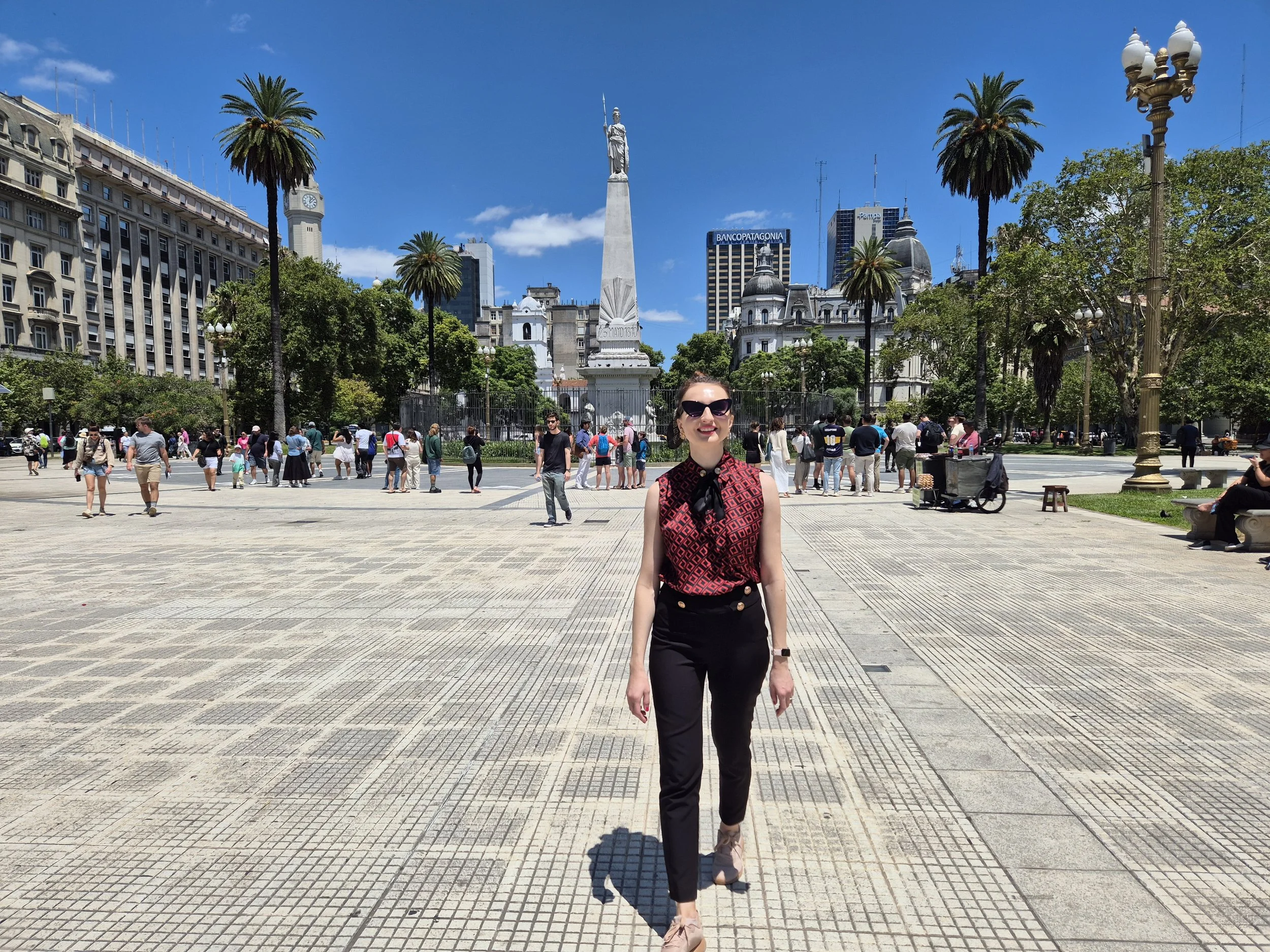
One of our January weekends was marked by an incursion to Plaza de Mayo under the blazing summer sun. There stood Casa Rosada, alongside the majestic cathedral where Pope Francis once preached, and nearby, the ever-popular Feria de San Telmo.
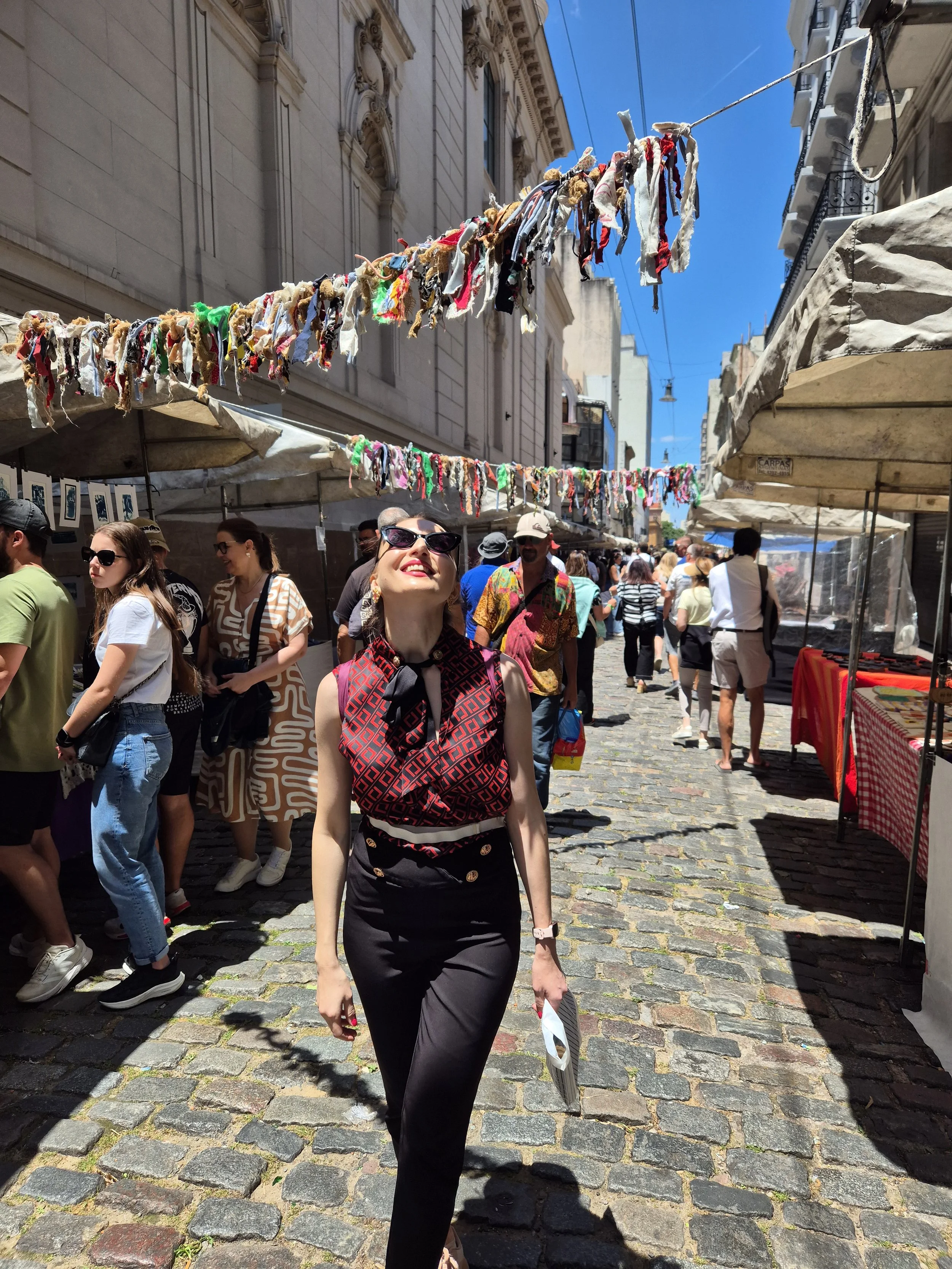
This Sunday market was like no other I have experienced. It stretched across entire streets and boulevards, offering an astonishing array of souvenirs and antigüedades. The lively atmosphere, filled with music, color, and curious treasures, made the San Telmo market feel like a vibrant open-air museum.
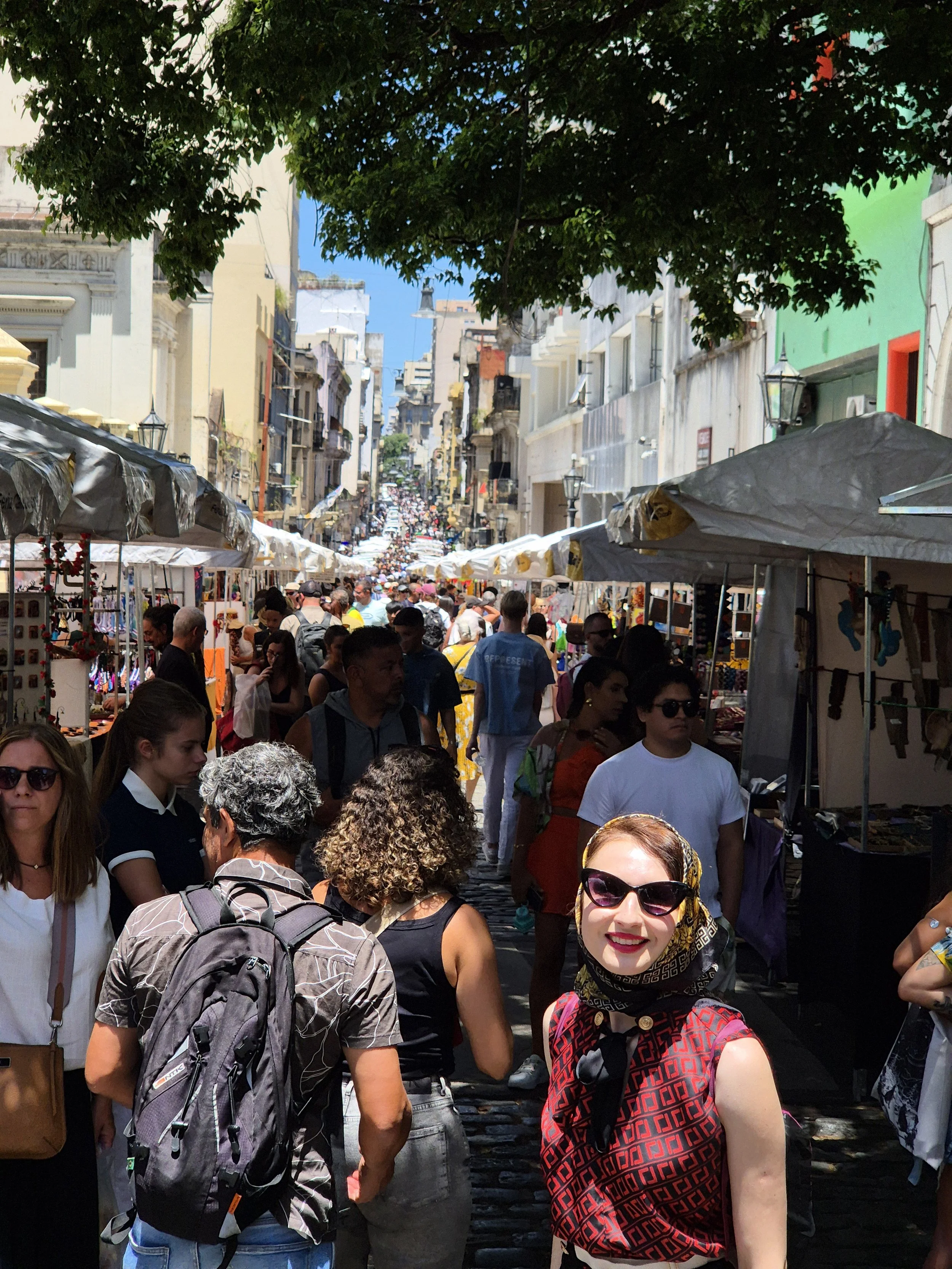
Following the excitement of the first days, getting used to our accommodation in Palermo Soho, exploring different coffee places until finding my daily spot (Pochi cafe), there came a windy weather in Buenos Aires, and with it, a bit of visiting fatigue. It happens when travelling for days on end, and one must find ways to bypass it. Accepting the mood, continuing the exploration.
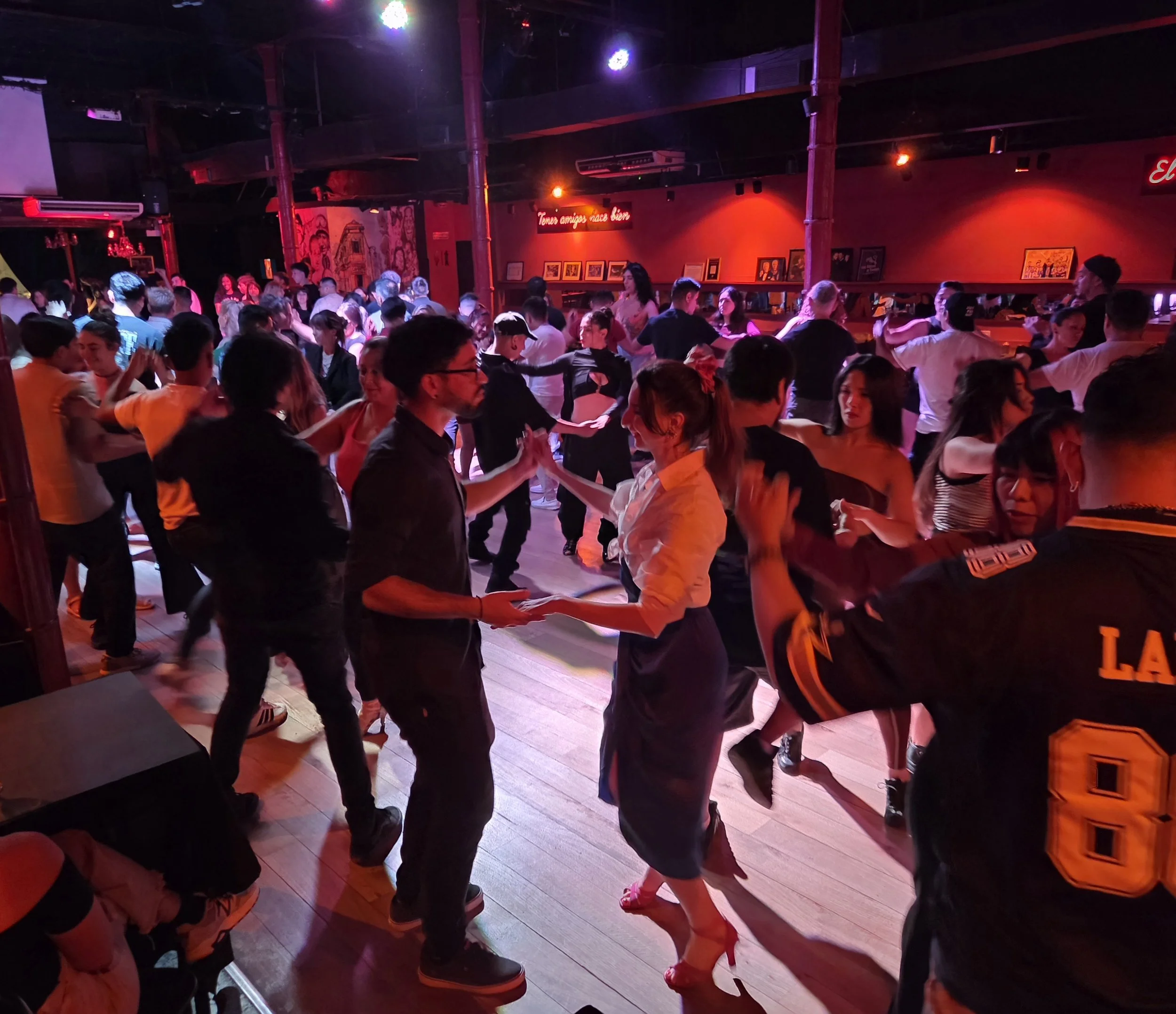
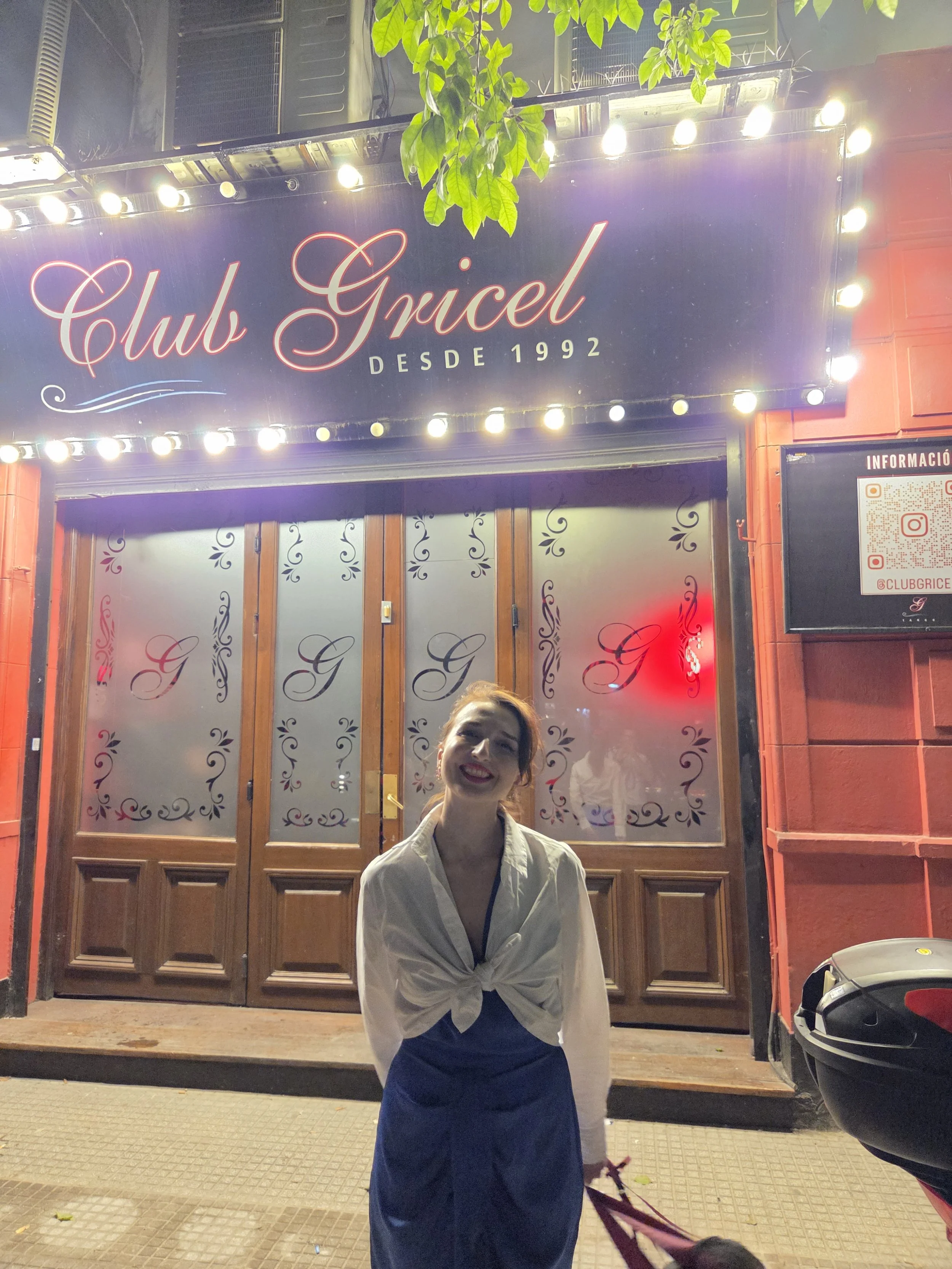
We continued to spend our nights dancing, so many dancing venues with incendiary atmosphere and exquisite dancers - definitely worth it to come to the end of the world for those dances that nobody can take from you. There is La Salsera club, with salsa and bachata rooms, but also Club Gricel, with a selection of both latino and tango.
What do they have in common? The social starts impossibly late, after midnight - so ways need to be found to combine late night dancing with visiting during the day.
When I think at the expression "noches porteñas", an open air milonga pops into my mind: La Glorieta del Belgrano. Here, I danced golden era tango in a beautiful pavilion in a park, majestic palm trees right next to it. That's how I would prefer any Argentine dancing experience.
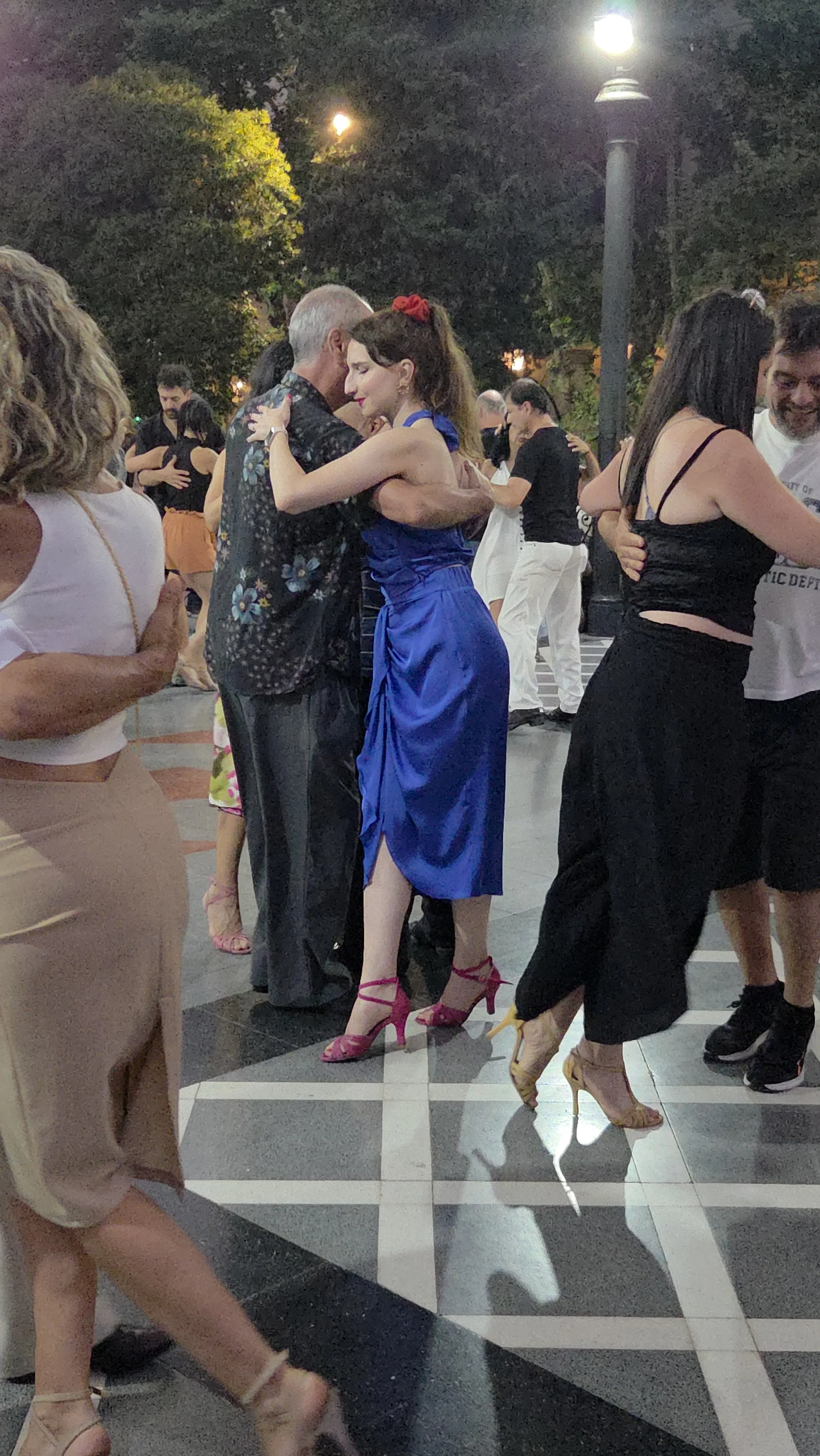
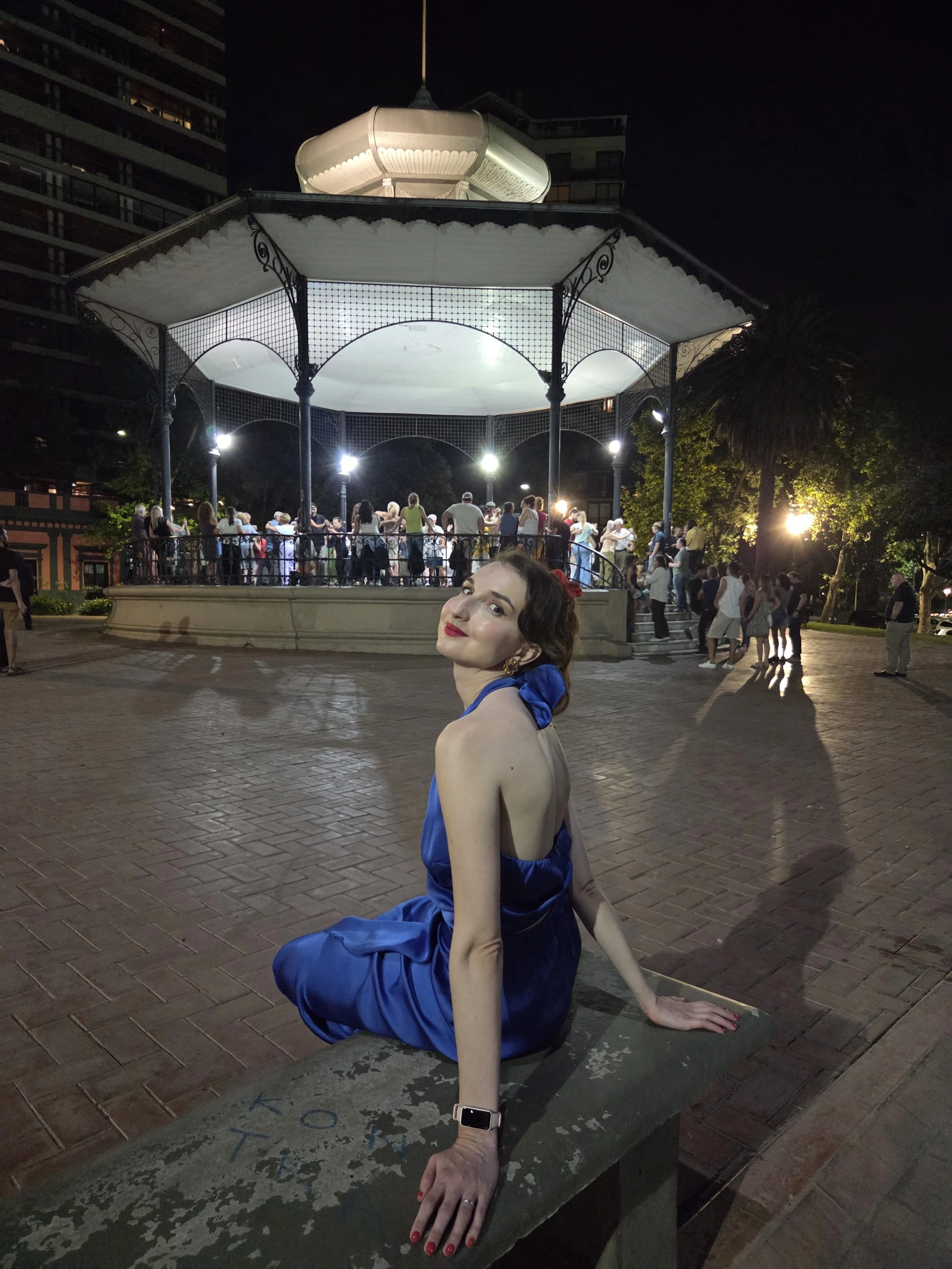
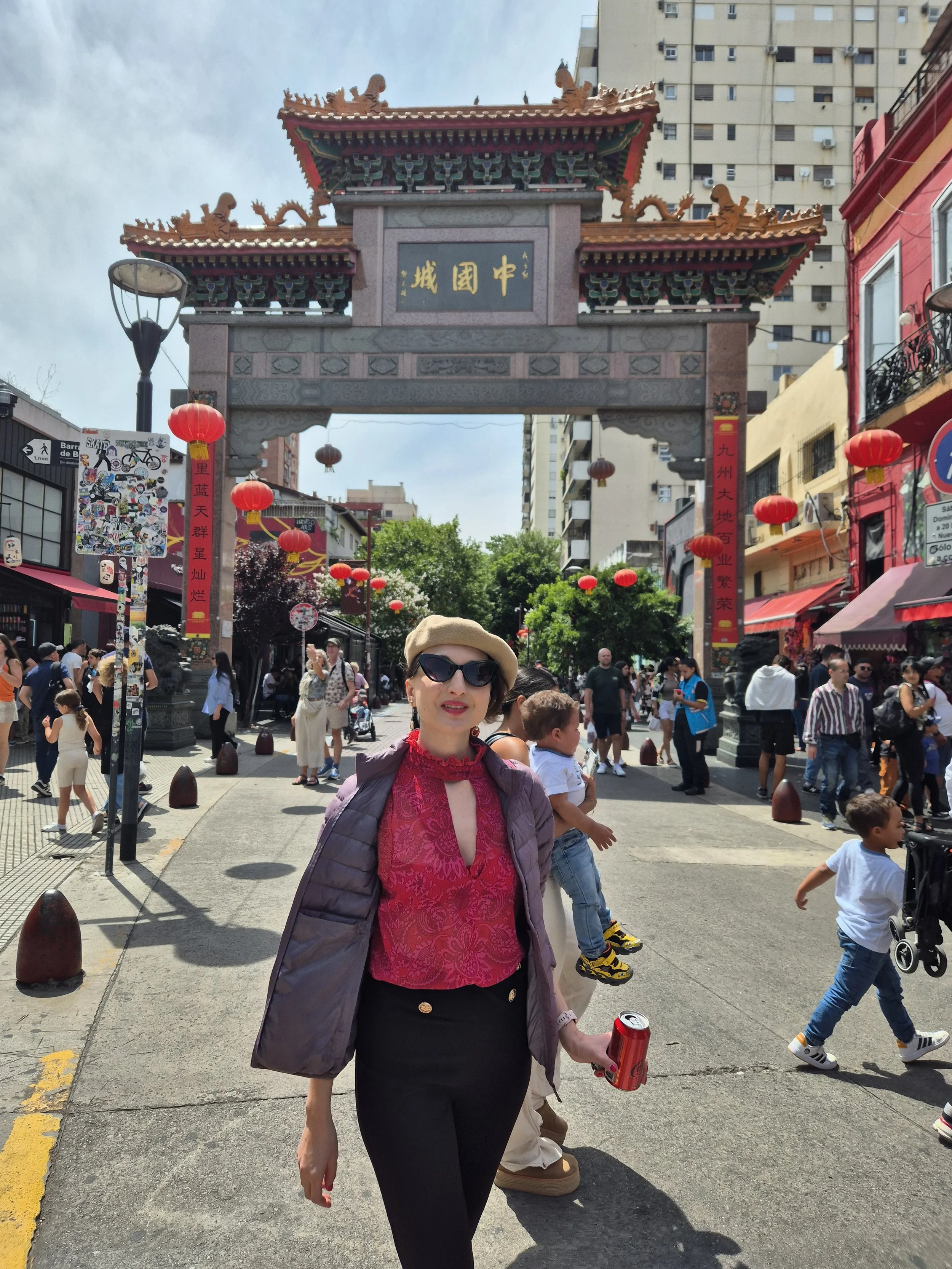
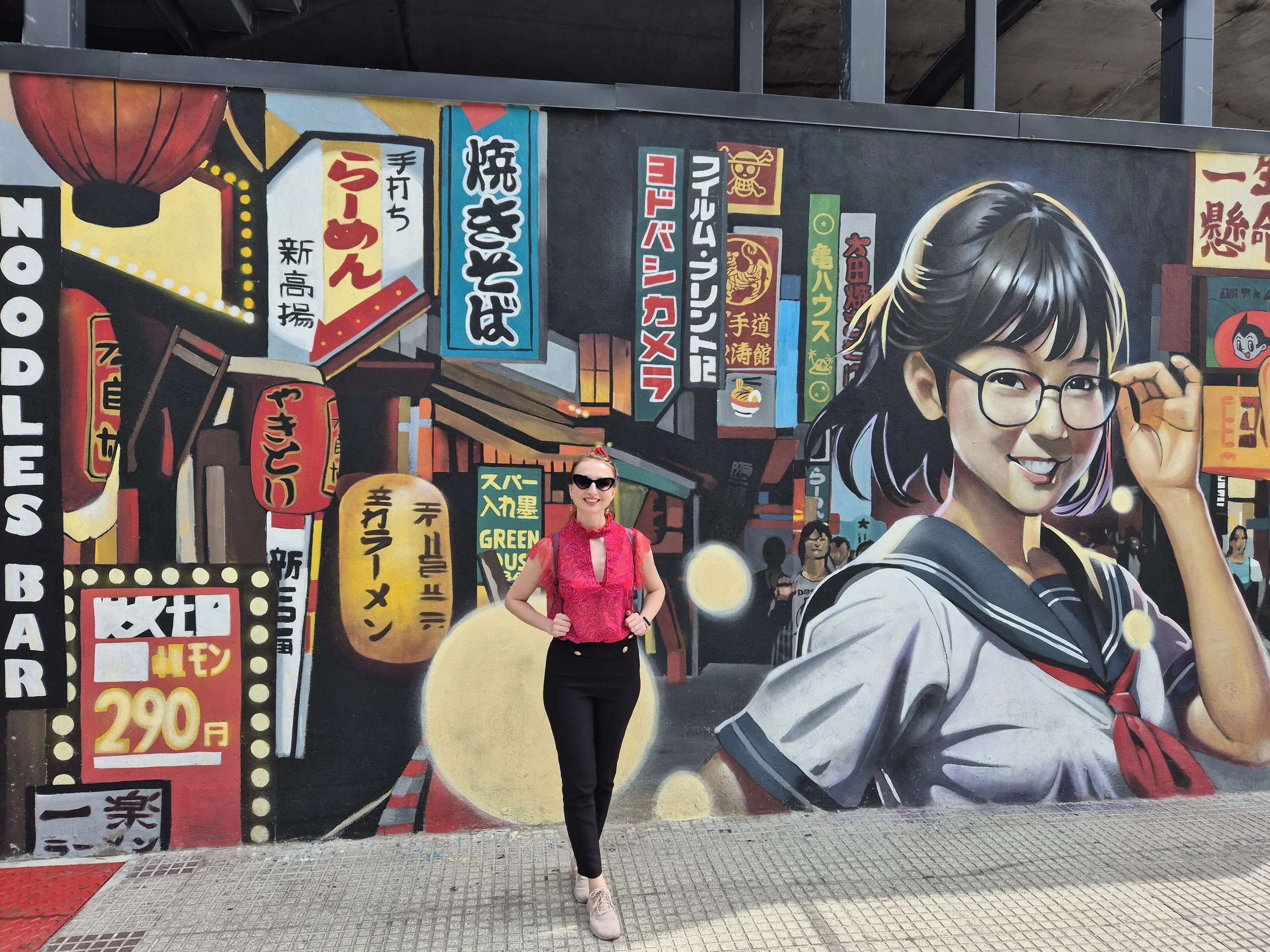
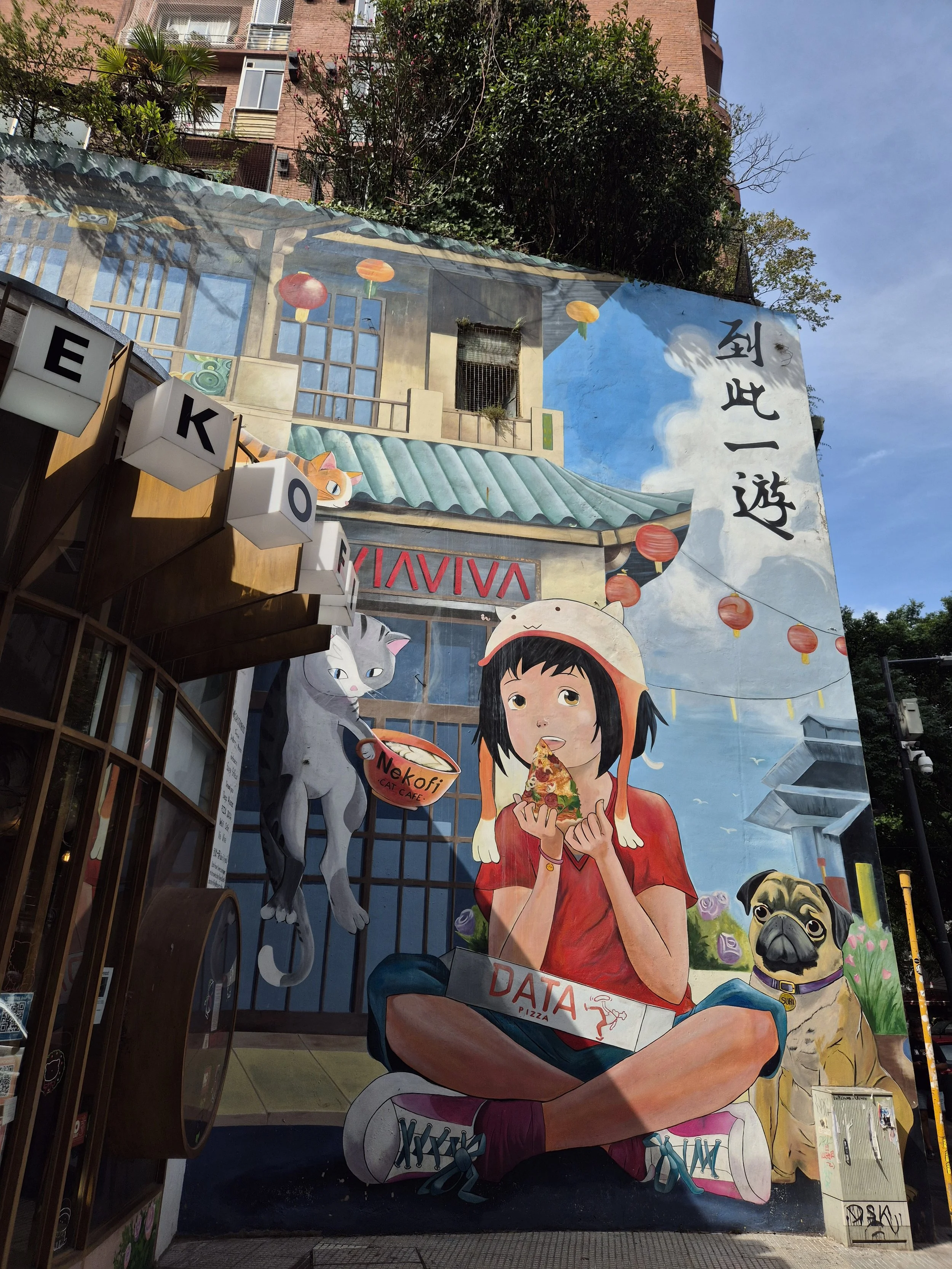
Right next to this open air milonga, which bystanders can admire and partake in, there is one of my favorite places in Buenos Aires: Barrio Chino, lively, with huge graffities and very tasty Asian food - a welcomed pause from the bife de chorizo that I have experienced almost every day and proof that I never fail to chase Asian elements around the globe.
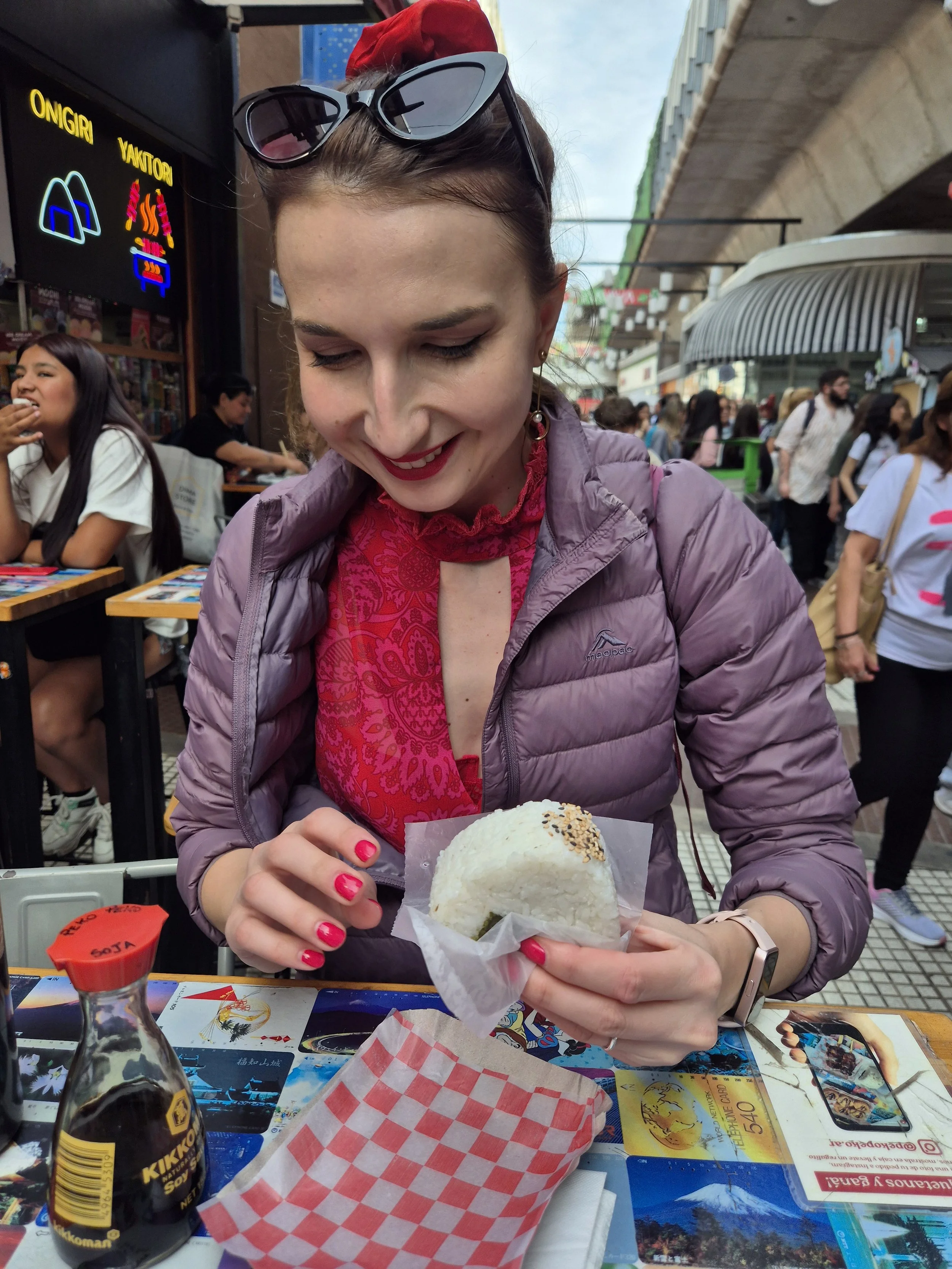
Speaking of Argentine beef, there are a couple of eating spots worth mentioning: Siga la Vaca, an all you can eat assado, located in Puerto Madero, Don Hilario, an exquisite parilla in Recoleta, La Cholita, also in Recoleta, serving huge portions of T-bone steak.
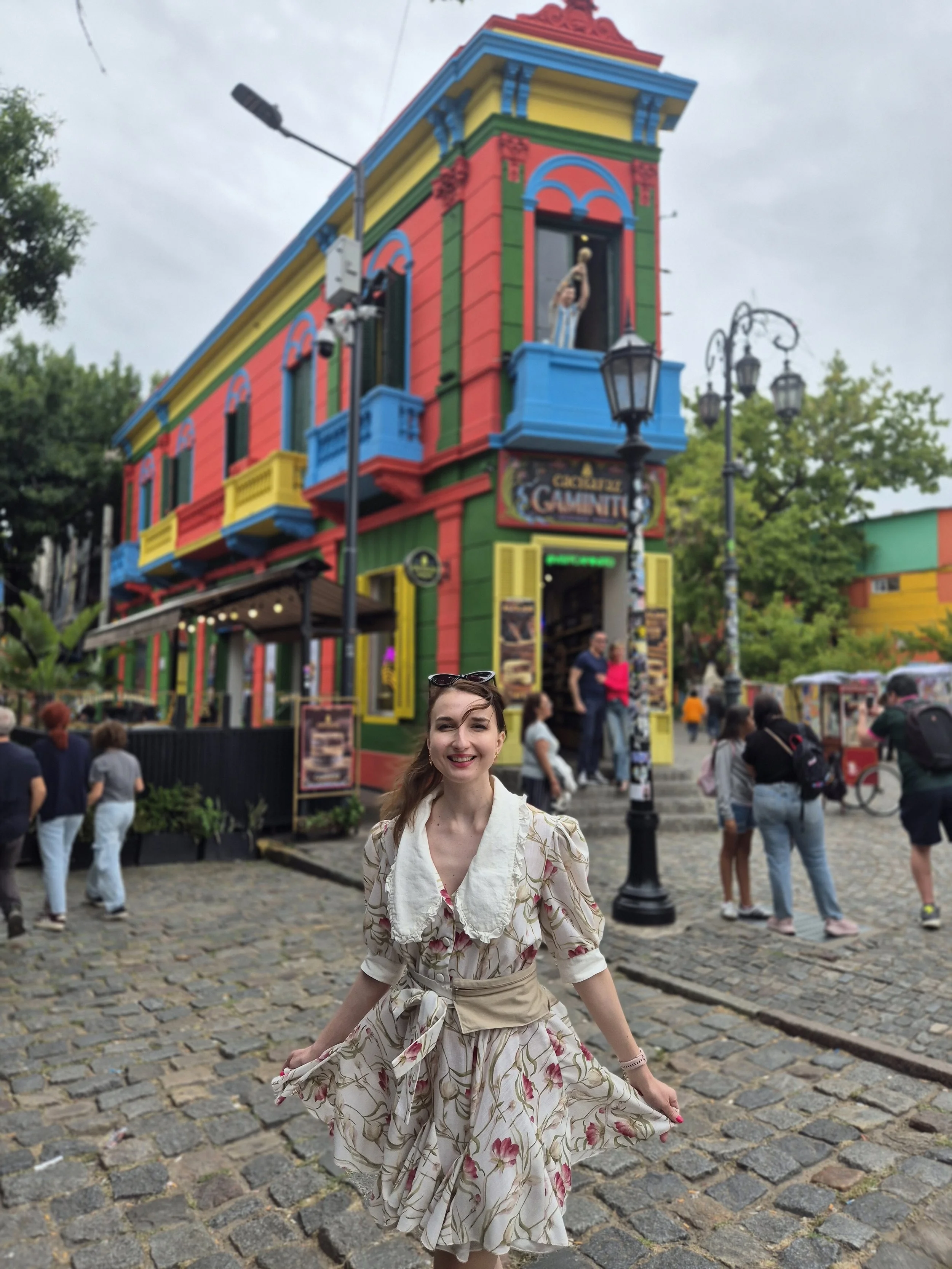
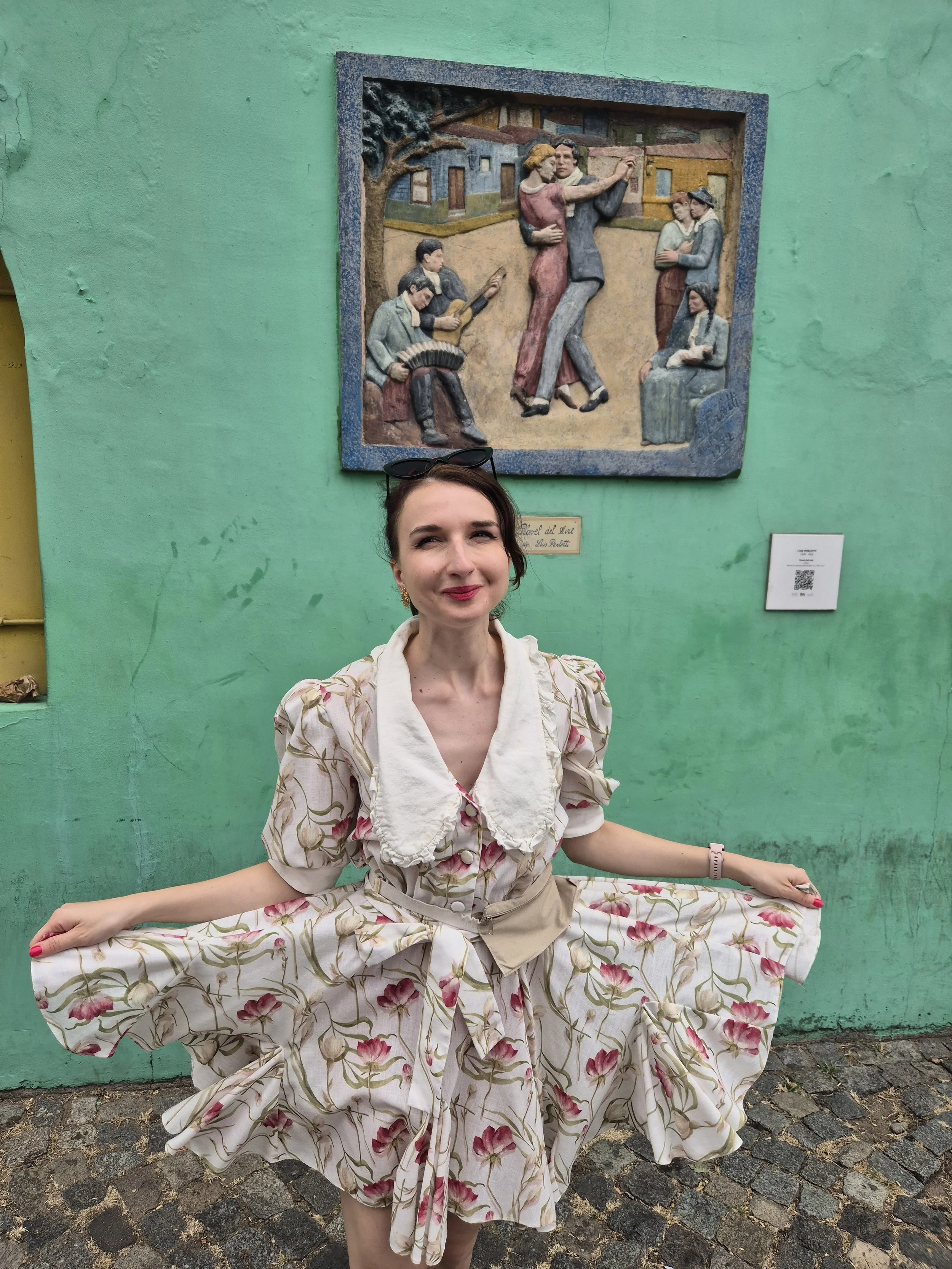
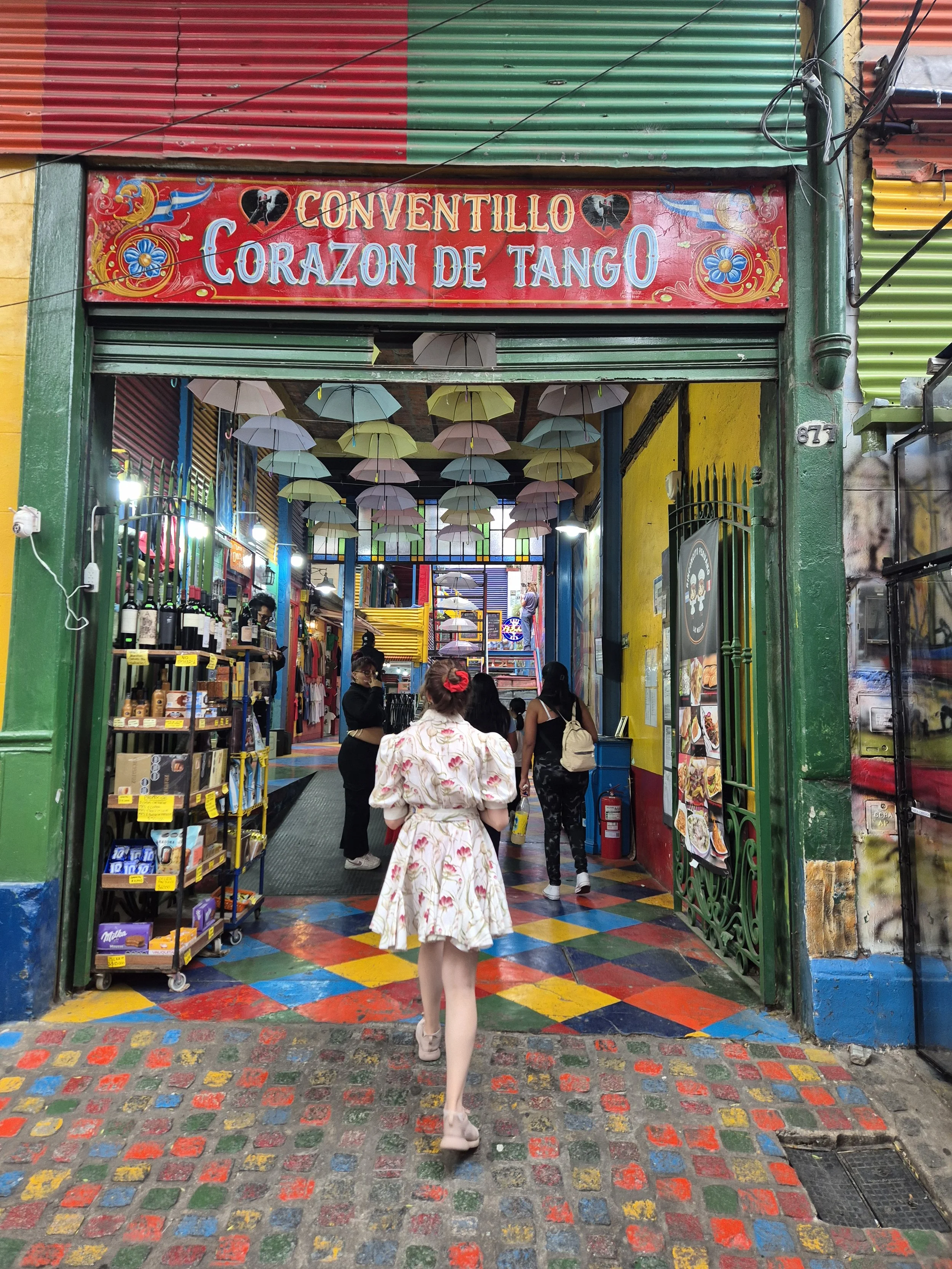
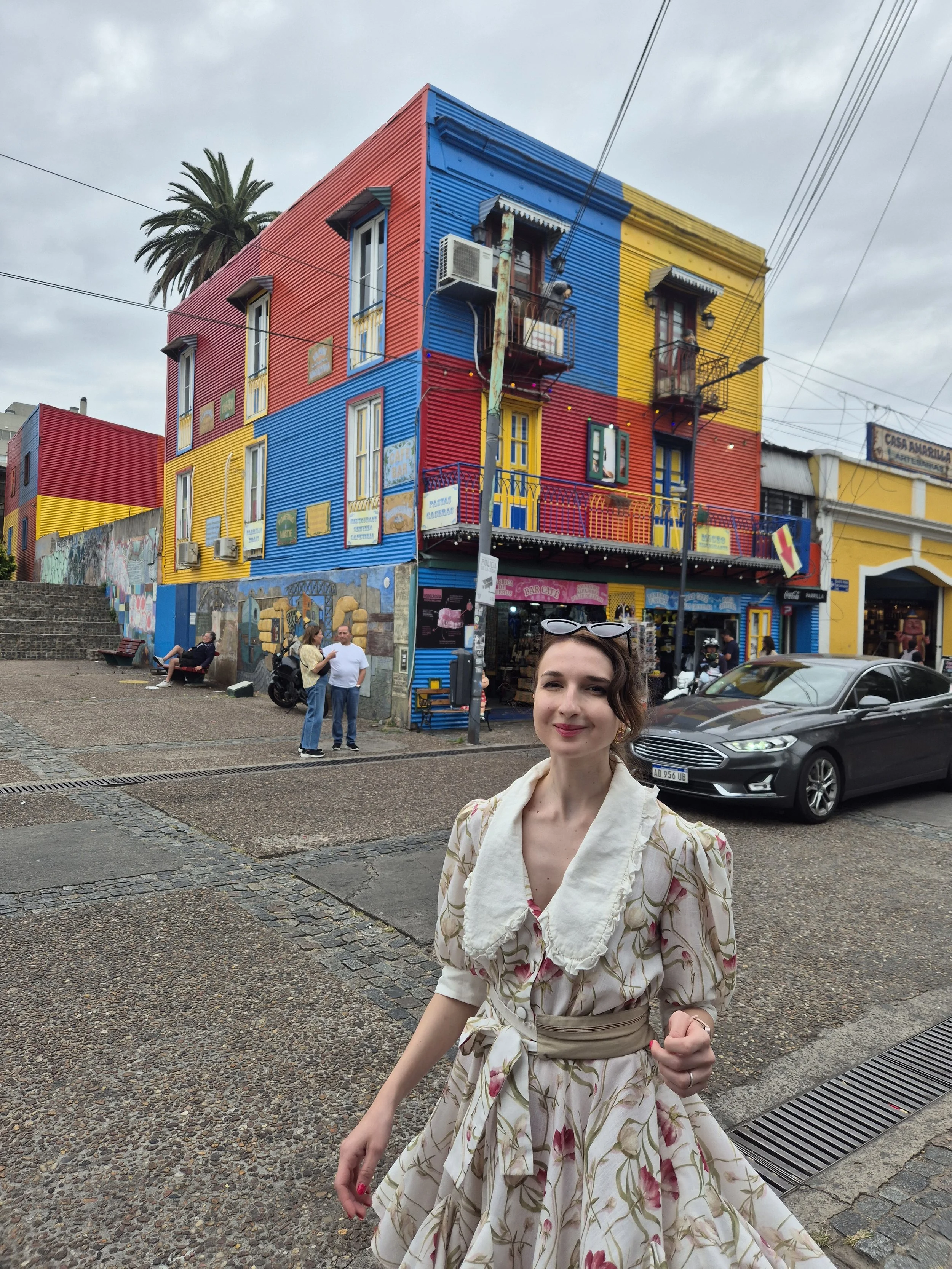
My feelings were mixed when I finally reached La Boca. I was expecting an explosion of color and lots of vibrancy from the neighborhood famed for its street tango and bright-colored houses. Color it had, but also lots of noise and chaos and endless souvenirs shops. It failed to impress me on a day with grey skies. Maybe it is more buoyant when experienced under the blazing summer sun.
One night in Buenos Aires, I danced tango at the Pipí Cucú Dance Club, at Marabu Salon, where delightful, elegant tango masters were practicing on the dance floor.
La crème de la crème was here, all dancers wanting to achieve that perfect flow on the dance floor. So, yes, it was a bit crowded, but exquisite.
I found the name of the club intriguing, unaware that the “Pipí Cucú” term was referring to something ‘splendid’ and ‘refined’, just the way I was perceiving Buenos Aires and its dance scene. Hence, the name of this blog post and my endless admiration for a city so eclectic and refined.